
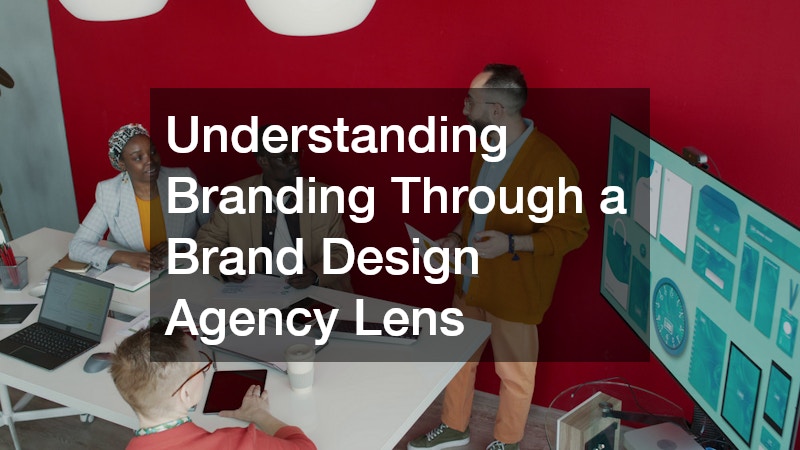

Branding has become a cornerstone of modern business success, representing much more than just a logo or a tagline. At its core, branding is the art and science of communicating a company’s identity, values, and vision to its audience. For companies seeking to craft a distinctive presence in the marketplace, partnering with a skilled brand design agency is often essential. These agencies provide expertise that helps businesses not only define their identity but also implement strategies that resonate with customers, ensuring long-term brand recognition and loyalty. By examining branding through the lens of a professional agency, businesses can gain insights into the processes, challenges, and metrics that underpin effective brand development.
What is the Role of a Brand Design Agency in Branding?
A brand design agency plays a pivotal role in shaping how a company is perceived in the marketplace. Their involvement begins with creating a clear and unique brand identity, extends to executing comprehensive strategies, and includes the creative processes necessary to bring the brand vision to life. These agencies act as both strategists and designers, guiding businesses through every stage of brand development while ensuring consistency and cohesion across all touchpoints.
Defining Brand Identity
At the heart of any successful brand is a strong identity. A brand design agency works closely with businesses to define this identity by clarifying core values, personality traits, and visual elements that distinguish the brand from its competitors. Through research, collaboration, and creative ideation, agencies develop logos, color schemes, typography, and messaging frameworks that communicate the essence of the brand to its target audience. This process ensures that every element, from marketing materials to digital presence, reflects the brand’s personality authentically and memorably.
Implementing Brand Strategy
Beyond visual identity, a brand design agency helps companies implement strategies that align with long-term business objectives. This includes creating brand guidelines, messaging hierarchies, and marketing approaches that ensure consistency across all channels. By integrating brand strategy with business goals, agencies help companies build a coherent narrative that strengthens customer trust and drives engagement. Strategic implementation ensures that every interaction, whether online or offline, reinforces the brand’s core values and vision.
Creative Process in Brand Development
The creative process within a brand design agency encompasses a variety of stages, including brainstorming, conceptualization, prototyping, and final execution. Agencies employ multidisciplinary teams of designers, strategists, and copywriters who collaborate to translate abstract ideas into tangible brand assets. This approach allows for innovation while maintaining alignment with the client’s identity and objectives. The result is a cohesive brand experience that communicates the company’s message effectively to its audience.
How Does a Brand Design Agency Measure Brand Success?
Understanding the impact of branding is crucial for continuous growth. Brand design agencies employ a range of metrics and tools to evaluate the success of their work, ensuring that branding efforts deliver measurable value.
Key Performance Indicators for Branding
Agencies track KPIs such as brand awareness, engagement rates, website traffic, social media reach, and customer retention to assess the effectiveness of branding strategies. By analyzing these indicators, they can determine whether the brand is successfully connecting with its audience and meeting predefined goals.
Consumer Perception and Brand Health
Monitoring consumer perception is another critical function. Brand design agencies gather insights through surveys, focus groups, and social listening to understand how customers perceive the brand. This data allows agencies to identify areas for improvement and adjust strategies to maintain a positive brand image.
Measuring Brand Equity
Brand equity reflects the market value of a brand, encompassing customer loyalty, recognition, and perceived quality. Agencies evaluate brand equity using financial metrics, customer feedback, and competitive analysis to ensure that the brand not only resonates with audiences but also drives tangible business outcomes.
What Challenges Do Brand Design Agencies Face in Today’s Market?
The modern marketplace presents unique challenges that require brand design agencies to continually adapt and innovate.
Adapting to Digital Transformation
As digital platforms dominate consumer interactions, agencies must evolve to address the complexities of online branding. This includes optimizing for social media, mobile applications, and emerging technologies, ensuring that brands remain visible and relevant in a digital-first environment.
Maintaining Brand Relevance
Consumer expectations and market trends are constantly changing. Agencies must develop strategies that allow brands to stay relevant while maintaining their core identity. This requires a balance between innovation and consistency, ensuring the brand evolves without losing its essence.
Navigating Competitive Markets
In saturated markets, differentiating a brand from its competitors is a constant challenge. Brand design agencies employ research, creativity, and strategic insights to position brands uniquely, helping clients stand out while effectively communicating their value proposition.
Conclusion
Understanding branding through the perspective of a brand design agency reveals the depth of work involved in crafting successful brands. From defining identity and implementing strategy to measuring success and overcoming market challenges, these agencies provide invaluable expertise for businesses seeking to make a lasting impression. Companies like i4 Solutions exemplify the impact a dedicated brand design agency can have, helping businesses not only establish a recognizable identity but also create meaningful connections with their audience. As branding continues to evolve, partnering with a professional agency ensures that a brand remains adaptable, relevant, and poised for long-term success.