

Installing a gas heater might seem like a straightforward task, but it is one that requires precision, knowledge, and strict adherence to safety standards. Many homeowners underestimate the risks associated with improper installation, which can lead to dangerous situations, higher energy bills, or reduced lifespan of the unit. Understanding the common mistakes people make during a gas heater installation, and knowing how a professional can help, can save time, money, and ensure a safe, efficient system for your home.
Choosing the Wrong Size Heater
One of the most frequent mistakes homeowners make is selecting a gas heater that is either too large or too small for their household’s needs. A unit that is too small will struggle to heat water efficiently, leaving you with inconsistent hot water supply.
On the other hand, a heater that is too large can waste energy, increase utility bills, and cause unnecessary wear on the system over time.
Professionals in gas water heater installation are trained to evaluate your home’s specific hot water needs. They consider factors such as the number of occupants, the size of your home, and your typical water usage patterns. This ensures that the heater installed is perfectly matched to your household, providing consistent performance without unnecessary energy costs and minimizing long-term maintenance issues.
Improper Ventilation
Gas heaters produce combustion gases, including carbon monoxide, which must be safely vented outside the home. A common mistake is neglecting proper ventilation or improperly installing the venting system. Poor ventilation can lead to dangerous gas buildup, creating serious health hazards for your family and potentially causing long-term structural damage to your home.
A licensed professional will ensure that all venting complies with local codes and manufacturer guidelines. During gas water heater installation, they verify that the flue is correctly positioned, adequately sized, and free of obstructions. This not only safeguards your home but also optimizes the heater’s performance, ensuring it operates efficiently and safely.
Incorrect Gas Line Connections
Handling natural gas lines requires extreme caution. Incorrectly connecting gas lines can cause leaks, fire hazards, or system malfunctions. Many homeowners attempt to install a gas heater themselves without fully understanding the intricacies of gas plumbing. Even a minor leak can have serious consequences and endanger everyone in the household.
A professional installer has the experience and tools necessary to safely connect the gas supply. They perform rigorous leak tests and ensure that all fittings are secure. This reduces the risk of dangerous accidents and ensures the heater operates reliably. Proper gas water heater installation requires precise calibration, and a professional can prevent costly errors that might arise from DIY attempts.
Overlooking Local Codes and Regulations
Every region has specific building codes and safety regulations regarding gas appliances. Failing to adhere to these requirements can result in fines, voided warranties, or failed home inspections. Many homeowners are unaware of the local rules or assume that following the manufacturer’s instructions is enough.
Professional installers are well-versed in local regulations. They ensure that your installation meets all safety and compliance standards. This not only protects your household but also guarantees that your warranty remains valid, providing peace of mind for years to come.
Neglecting Maintenance Access
When installing a gas heater, it’s crucial to consider future maintenance needs. Placing the unit in a hard-to-reach location or installing it too close to walls can make routine servicing difficult or even impossible. Neglecting maintenance access can shorten the lifespan of your heater and increase repair costs over time.
A skilled professional plans the installation with maintenance in mind. They position the heater for easy access to key components such as the thermostat, burners, and pilot light. This foresight makes future servicing straightforward and ensures that your system continues to operate efficiently, while also making inspections quicker and safer.
Poor Water Pressure and Temperature Settings
Incorrect water pressure and temperature settings can lead to discomfort, inefficiency, or even damage to your plumbing system. Many homeowners assume that factory settings are sufficient, but variations in household plumbing and water supply often require adjustments.
Professional gas water heater installation involves fine-tuning the unit to match your home’s water pressure and temperature requirements. They ensure that the heater delivers a safe and consistent hot water supply, minimizing the risk of scalding or undue stress on pipes and fixtures, while also helping reduce energy waste.
How a Professional Can Help
Hiring a licensed installer brings multiple benefits. Professionals have the technical knowledge, experience, and equipment needed to perform a safe, efficient, and compliant installation. They anticipate and prevent common mistakes, saving homeowners both time and money.
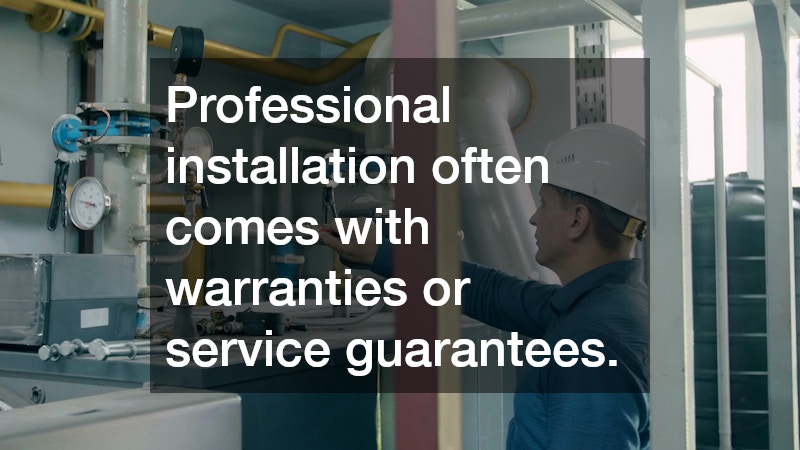
Additionally, professional installation often comes with warranties or service guarantees. This provides reassurance that if issues arise, they can be addressed promptly without additional costs. Beyond safety and compliance, a professional ensures that your gas heater performs at peak efficiency, reducing energy consumption and extending the life of your unit while keeping your home comfortable.