
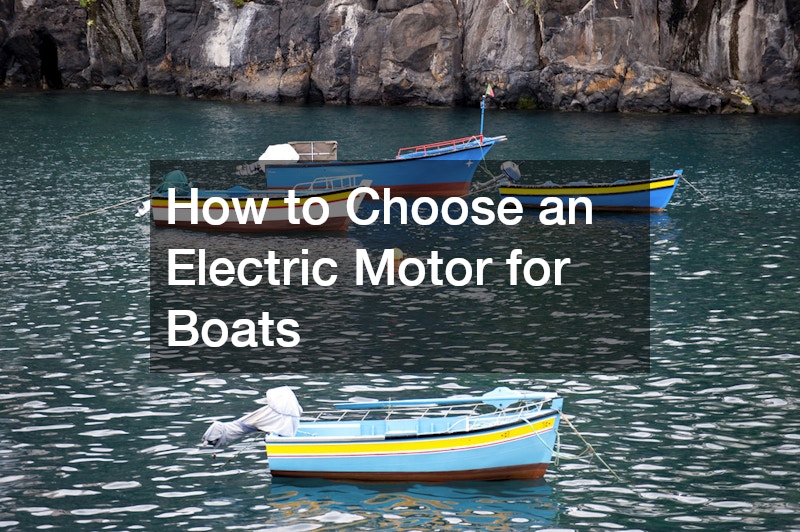

Choosing the right Electric Motor for Boats can dramatically improve how you experience time on the water. Whether you’re cruising a lake, fishing quietly in shallow areas, or upgrading an older vessel, the right motor impacts performance, efficiency, and overall enjoyment. With several options available, understanding the key factors will help you make a confident decision.
Understanding Your Boating Needs
Before comparing motor specs, it’s important to think about how and where you’ll be using your boat. Different boating styles require different levels of power, endurance, and control.
Boat Size and Weight Considerations
Boat size and total load play a major role in motor selection. A lightweight aluminum fishing boat needs far less thrust than a fully loaded pontoon or sailboat. Always factor in passengers, gear, fuel, and accessories when estimating total weight, as underpowered motors struggle to perform efficiently.
Typical Water Conditions
Calm lakes, rivers with steady currents, and coastal waters all present unique challenges. Boats used in windy or current-heavy areas benefit from stronger thrust and responsive control. Sheltered waters allow for smaller, more energy-efficient motors without sacrificing usability. The best type of engine will often depend on what conditions a boat sails in.
Choosing the Right Motor Power
Power is one of the most critical aspects of selecting an Electric Motor for Boats. The goal is to match thrust output to your boat’s needs without wasting energy.
Thrust and Performance Balance
Thrust is measured in pounds and determines how effectively the motor moves your boat. Too little thrust can lead to slow movement and poor handling, while excessive thrust may drain batteries unnecessarily. Finding a balanced range ensures smooth operation and longer run times.
Speed Expectations
Electric motors are designed for steady, controlled movement rather than high-speed performance. If cruising speed is your priority, a higher-voltage system may be needed. For fishing or leisure cruising, moderate speeds are often ideal and more energy efficient.
Battery and Power System Options
The motor’s performance is directly tied to its power source. Understanding battery types and configurations helps avoid unexpected limitations.
Battery Types and Longevity
Lithium batteries are lighter, charge faster, and last longer than traditional lead-acid options, but they come at a higher upfront cost. Lead-acid batteries remain popular due to affordability, though they require more maintenance and replacement over time.
Voltage and Runtime Planning
Electric motors commonly run on different voltage systems. Higher voltage setups provide more power and longer runtime, which is especially useful for extended trips. Matching battery capacity to your typical usage ensures reliable performance throughout the day.
Mounting Style and Control Features
How the motor mounts to your boat and how it’s controlled can significantly impact comfort and usability.
Bow-Mounted vs Transom-Mounted Motors
Bow-mounted motors offer precise steering and are favored by anglers who need accuracy and quiet operation. Transom-mounted motors are easier to install and are well-suited for smaller boats or casual use. Choosing the right mount depends on your boat design and intended activities.
Steering and Control Options
Modern electric motors offer tiller steering, foot pedals, and wireless remote controls. Advanced features such as GPS anchoring and autopilot capabilities add convenience, especially for fishing or navigating larger bodies of water.
Noise Levels and Environmental Impact
One of the biggest advantages of an Electric Motor for Boats is quiet operation. Noise reduction improves comfort and helps preserve natural surroundings.
Quiet Performance Benefits
Electric motors produce minimal vibration and sound compared to gas-powered alternatives. This is ideal for fishing, wildlife observation, and enjoying peaceful waterways without disturbance.
Eco-Friendly Boating Advantages
Electric motors produce zero emissions and reduce fuel spills and exhaust pollution. Many waterways now encourage or require electric propulsion, making these motors a future-proof investment.
Durability and Maintenance Factors
Long-term reliability should always be part of the decision-making process.
Build Quality and Materials
Corrosion-resistant materials are essential, especially for saltwater use. High-quality seals, reinforced shafts, and durable housings extend the motor’s lifespan and ensure consistent performance.
Maintenance Requirements
Electric motors generally require minimal maintenance compared to gas engines. Regular inspections, battery care, and cleaning after use help maintain efficiency and prevent unexpected issues.
Budget and Long-Term Value
Price plays a role, but value should be measured over the motor’s entire lifespan.
Upfront Costs vs Operating Savings
While electric motors can cost more initially, savings on fuel, maintenance, and repairs often offset the investment over time. Energy efficiency and battery longevity further improve overall value.
Warranty and Brand Support
Reputable manufacturers provide solid warranties and customer support. Access to replacement parts and service centers adds peace of mind and protects your investment.
Making the Final Decision
Selecting the right Electric Motor for Boats comes down to matching performance, power, and features to your specific boating lifestyle. By considering boat size, power needs, battery systems, and mounting preferences, you can choose a motor that delivers reliability, efficiency, and enjoyment on every trip.

Post navigation
Previous Post
 The Entrepreneurs Guide to Tax Planning in Miami, FL