

Every growing company eventually hits the same blind spot: the building systems that once quietly supported operations start quietly draining them instead. Aging roofs, worn plumbing, outdated security, and neglected structural elements rarely fail all at once, so their true cost hides inside emergency repair bills, lost productivity, and compliance fines that seem to appear out of nowhere. Before you can budget wisely or plan an expansion, it helps to understand exactly where these hidden costs come from and what it takes to get ahead of them. This article breaks down the most common aging systems that silently strain growing businesses and what proactive owners do differently.
- Underground Wastewater Systems That Fall Behind Growth
- Structural Cracks and Settling That Signal Bigger Problems
- Aging Rooftop Equipment That Drives Up Energy Bills
- Cold Storage Failures That Threaten Inventory and Safety
- Entry Points and Loading Areas That Slow Down Operations
- Perimeter Barriers That Protect Property and Liability
- Accessibility Equipment That Keeps Facilities Compliant
- Records and Data Disposal That Prevent Costly Exposure
- Entry Security Systems That Outgrow Their Original Design
- Demolition and Renovation Costs Tied to Delayed Maintenance
Underground Wastewater Systems That Fall Behind Growth
As companies add staff, expand kitchens, or increase production, wastewater systems that were sized for a smaller operation start working overtime. Many business owners never think about their septic infrastructure until a backup shuts down operations for a day or more. Routine commercial septic system pumping on a predictable schedule is far cheaper than an emergency call, and it prevents the kind of overflow that can damage flooring, halt operations, and trigger health department involvement.
Growth also means more employees and customers using the same aging system daily, which accelerates wear that owners don’t see until it’s too late. A short inspection twice a year can catch warning signs like slow drains or unusual odors before they become five-figure repairs.
- Schedule inspections at least twice yearly for growing occupancy
- Track water usage increases as staff or production grows
- Keep maintenance records for lease and insurance purposes
- Address slow drains immediately rather than waiting for backups
Structural Cracks and Settling That Signal Bigger Problems
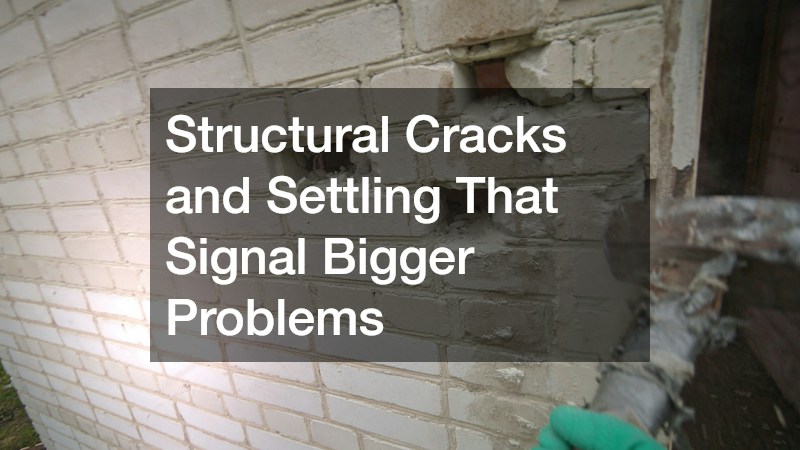
A building’s foundation is easy to ignore because problems develop slowly, often over years, until a door won’t close, a floor develops a noticeable slope, or a crack widens enough to worry someone. By the time these signs are visible, the underlying movement has usually been happening for a while beneath the surface. These issues rarely stay cosmetic. Foundation repair costs rise dramatically the longer settling or water infiltration goes unaddressed, since what starts as a hairline crack can eventually compromise load-bearing walls or invite persistent moisture damage. A patch job caught early might run a few thousand dollars, while structural underpinning for advanced settling can climb into six figures, especially for larger commercial footprints. Growing companies face a particular version of this problem: they often lease or acquire older buildings because the space and price fit their expansion timeline, without budgeting for what’s happening below grade. Soil conditions, drainage patterns, and the original construction quality all factor into how quickly small shifts become expensive ones. A building on expansive clay soil, for instance, can experience seasonal swelling and shrinking that steadily widens existing cracks year after year. The hidden cost isn’t just the repair bill. Undisclosed structural issues can stall financing, complicate insurance renewals, or derail a future sale when a buyer’s inspection turns up settling that was never addressed, turning a maintenance decision into a liability that follows the company for years.
Hairline cracks in drywall, doors that stick in their frames, or floors that seem to slope slightly are often dismissed as cosmetic quirks of an older building. In reality, they can be early indicators of foundation settling, soil shifting, or structural fatigue that worsens under added load. A crack wider than 1/8 inch, or one that grows over a few months, is generally considered worth professional review rather than a quick patch job. Growing companies that lease or own older buildings should have a structural assessment done before signing expansion plans or adding heavy equipment. This matters even more when the added load involves server racks, industrial machinery, dense shelving, or additional floors of occupancy — all of which can push an aging structure past tolerances it was never designed for. A qualified structural engineer can typically complete this kind of assessment in a day or two for a mid-size commercial building, at a cost that’s a fraction of what emergency repairs would run. Catching movement early usually means simple reinforcement work — such as underpinning, crack injection, or added support beams — rather than a full foundation overhaul, which protects both the budget and the timeline of any growth plans. Early intervention might cost tens of thousands of dollars; waiting until settling causes visible wall separation or uneven floors can push that figure into six figures and halt operations for weeks. For a company mid-lease negotiation or mid-buildout, that kind of delay can also jeopardize move-in dates tied to customer contracts or hiring plans. It’s also worth building a standing relationship with a structural engineer rather than calling one only when something looks wrong. A brief annual walkthrough, especially after adding equipment or completing renovations, costs little compared to the insurance and liability exposure of an undetected structural issue discovered after the fact.
Aging Rooftop Equipment That Drives Up Energy Bills
Commercial buildings depend heavily on rooftop units to keep employees comfortable and equipment running at the right temperature, yet these systems are often the most neglected because they’re out of sight. When a unit ages past its efficient years, energy bills climb steadily even without any dramatic breakdown. Commercial roof top unit repair addressed early, before a full failure during a heat wave or cold snap, keeps operational disruptions and emergency vendor rates off the books.
Many growing businesses discover too late that their rooftop units were never sized for the added square footage or server rooms they’ve since built out. A proactive maintenance contract and periodic performance check can add years to equipment life and catch inefficiencies long before they show up as an unexplained spike in the utility bill.
- Have units inspected seasonally, especially before extreme weather
- Ask for efficiency ratings during any repair visit
- Track energy costs month over month to spot gradual decline
- Confirm units are still properly sized after any expansion
Cold Storage Failures That Threaten Inventory and Safety
For companies handling food, pharmaceuticals, or other temperature-sensitive goods, refrigeration reliability is not optional. An aging compressor or worn door seal can let temperatures drift just enough to spoil inventory without anyone noticing until it’s too late. Walk in cooler repair handled proactively, rather than after a full breakdown, protects both product and the health compliance standing of the business.
The real cost of a cooler failure rarely shows up on the repair invoice alone. Lost inventory, potential health code violations, and the scramble to source emergency temporary storage all add up quickly, often costing far more than the maintenance visit that could have prevented the failure in the first place.
Entry Points and Loading Areas That Slow Down Operations
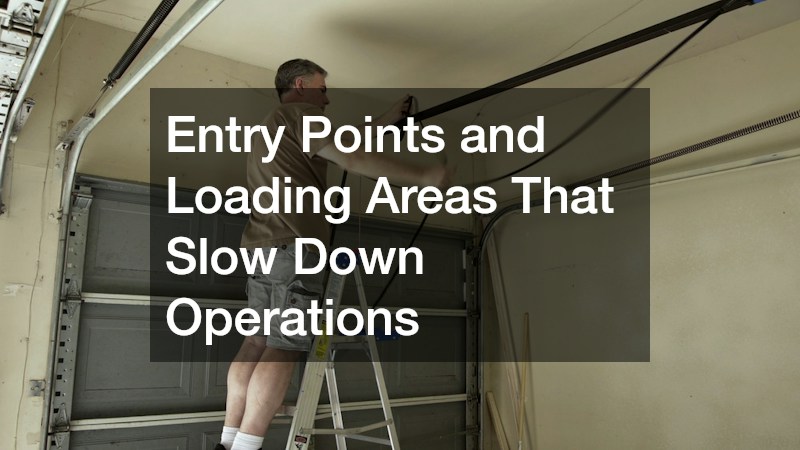
Loading docks and garage-style entry points take a beating in growing companies, especially those handling more deliveries or larger equipment than they did a year or two earlier. A door that sticks, drifts off track, or fails to seal properly doesn’t just create an inconvenience; it can let in pests, weather, and unauthorized access. Calling a garage door repair company at the first sign of grinding or misalignment is far less disruptive than dealing with a door that fails completely during a delivery rush.
Growing companies often add shifts or extend operating hours without reassessing whether their entry systems can handle the added daily cycles. A dock door engineered for 15-20 cycles per day starts breaking down fast when a second or third shift pushes that number to 40 or 50, compressing years of wear into a matter of months. A worn spring or motor under this increased use is a common and preventable cause of unplanned downtime, and it rarely fails quietly — it fails during a delivery window, with a truck idling and a crew standing around waiting. The cost isn’t just the repair bill. Every minute a loading area sits offline can mean missed carrier pickups, rescheduled deliveries, and detention fees that eat into margins on already tight-turnaround contracts. For companies running just-in-time inventory models, one stuck door can ripple into delays across the entire fulfillment chain. Addressing wear early — through scheduled inspections, spring replacements on a set interval, and motor servicing before failure — keeps loading schedules on track and avoids the far more expensive scramble of emergency repairs. It also protects against secondary damage, since a door that jams under strain can bend track rails or damage panels that turn a small fix into a much larger capital expense.
Perimeter Barriers That Protect Property and Liability
As a business expands its footprint, whether adding outdoor storage, a larger parking lot, or a new loading yard, the perimeter separating that space from the public becomes more important. An aging or damaged fence line does more than look neglected; it creates liability exposure if someone wanders onto the property and gets hurt, or if equipment and inventory go missing overnight. Partnering with a fence company for a periodic condition assessment is a simple way to catch leaning posts, rusted gates, or damaged sections before they become a security gap.
Insurance carriers increasingly ask about perimeter security when underwriting commercial policies, especially for companies with outdoor equipment or vehicle storage. A well-maintained boundary line can even support better premium terms, making it a rare case where a maintenance investment pays for itself twice over.
Accessibility Equipment That Keeps Facilities Compliant

As companies grow their customer base and workforce, accessibility becomes a legal and practical requirement rather than a nice-to-have. Wheelchair lifts that haven’t been serviced in years can fail at the worst possible moment, leaving an employee or customer stranded and exposing the business to compliance complaints. Regular servicing keeps these systems reliable and demonstrates good faith toward accessibility standards that regulators and customers both expect.
Many growing companies only think about accessibility equipment when they’re preparing for an inspection or a new hire requires accommodation. Building a maintenance schedule ahead of that need, rather than reacting to it, avoids the scramble and the risk of a lift being out of service exactly when someone depends on it.
Records and Data Disposal That Prevent Costly Exposure
Growing companies generate more paperwork, contracts, and customer records every year, and many keep boxes of outdated documents far longer than necessary simply because no one owns the disposal process. This creates real risk, since old files sitting in a storage closet are a liability if they contain financial, medical, or employee data. Secure document shredding on a scheduled basis closes that gap and gives the business a documented chain of custody that matters if a data privacy question ever arises.
Beyond the legal exposure, cluttered storage rooms full of aging paperwork often occupy space that a growing company could otherwise use for equipment, inventory, or additional staff. Treating document destruction as a routine operational task, rather than an occasional cleanup project, keeps both compliance risk and clutter from building up unnoticed.
Entry Security Systems That Outgrow Their Original Design

A security setup that worked fine for a ten-person office often becomes a liability once a company triples its headcount or adds multiple locations. Outdated keycard systems, shared codes, and doors without any tracking capability make it difficult to know who is actually in the building at a given time. Modern access control systems solve this by tying entry permissions to individual employees, which can be adjusted instantly when someone joins, changes roles, or leaves the company.
The hidden cost of an outdated system isn’t just the security risk; it’s the administrative time spent manually managing keys or codes as staff turnover increases. Companies that upgrade before a security incident forces the issue typically spend less overall than those responding to a breach or a lost master key after the fact.
Demolition and Renovation Costs Tied to Delayed Maintenance
Sometimes a building system doesn’t just need repair, it needs to come out entirely, especially when age and neglect have pushed a structure past the point of cost-effective fixing. Bringing in demolition contractors for an outdated addition or unsafe structure is sometimes the more economical choice compared to repeated patch repairs that never fully solve the underlying problem. Getting a clear-eyed assessment of when to renovate versus rebuild can save a growing company from years of throwing money at a losing battle.
Companies that wait too long to make this call often find that delayed maintenance across multiple systems compounds into one large renovation project instead of several smaller, more manageable ones. Planning demolition or major renovation proactively, tied to a growth strategy rather than a crisis, keeps the disruption contained and the budget predictable.
The systems quietly running your building rarely announce their decline with a single dramatic failure; instead, they chip away at your budget through inefficiency, emergency repairs, and compliance risk until the pattern becomes impossible to ignore. The good news is that every system covered here responds well to proactive attention, and most owners find that scheduled maintenance costs a fraction of crisis repair. Start by walking your property with a critical eye, noting anything that’s been ignored for longer than it should have been. Then build a maintenance calendar around those findings so your growth plans are backed by a building that can actually support them.