


- Key Takeaways:
- Why In-Store Marketing Feels Impossible to Track
- Pick Metrics That Actually Reflect Store Performance
- Foot Traffic Is Your New Website Traffic
- Bridging the Gap Between Online Campaigns and Offline Visits
- What the Data Says About Customers Who Shop Both Ways
- The Confidence Gap That’s Quietly Hurting Retailers
- Practical KPIs You Can Start Tracking This Week
- Tools That Make This Easier Than It Sounds
- Mistakes That Quietly Skew Your Numbers
- Building a Simple, Repeatable Measurement Framework
- Turning Data Into Better Marketing Decisions
Key Takeaways:
- Foot traffic is your baseline metric. Just like website sessions anchor digital analytics, consistent foot traffic tracking (door counters, wifi analytics, POS counts) is what makes every other in-store measurement possible.
- Online and offline behavior are deeply connected. More than half of shoppers move fluidly between browsing online and buying in person, and businesses with inconsistent cross-channel experiences risk losing around 10 percent in revenue.
- There’s a real confidence gap in marketing measurement. Most marketers feel confident about tracking ROI across channels, but only a third are actually doing true cross-channel measurement — meaning a lot of budget decisions are based on incomplete data.
- Bridge online campaigns to offline visits deliberately. Tactics like unique promo codes, call tracking numbers, and “how did you hear about us” prompts at checkout are simple ways to connect digital spend to physical store results.
- Track a focused set of KPIs, not everything at once. Metrics like cost per visit, sales lift, redemption rate, and new-vs-returning customer ratio give far more clarity than vague gut-feel assessments.
- Watch for common measurement traps. Comparing against the wrong baseline, ignoring seasonality, or crediting one campaign for overlapping promotions can all quietly distort your results.
- Consistency beats sophistication. A simple, repeatable framework — define the goal, pick a few metrics, set a baseline, track weekly, compare afterward — builds a reliable internal benchmark over time and turns marketing into a genuine learning process rather than guesswork.
If you have ever run a flyer campaign, a radio spot, or a local Instagram promotion for a physical store and then just kind of… hoped it worked, you are not alone. Measuring marketing for a physical location has always been trickier than tracking a digital ad, because there is no “click” when someone walks through your front door. But that does not mean the results are invisible. It just means you need the right mix of metrics, tools, and a little bit of detective work to connect the dots between what you spent and what actually happened in your store. This guide breaks down exactly how to do that, without needing a data science degree.
Why In-Store Marketing Feels Impossible to Track
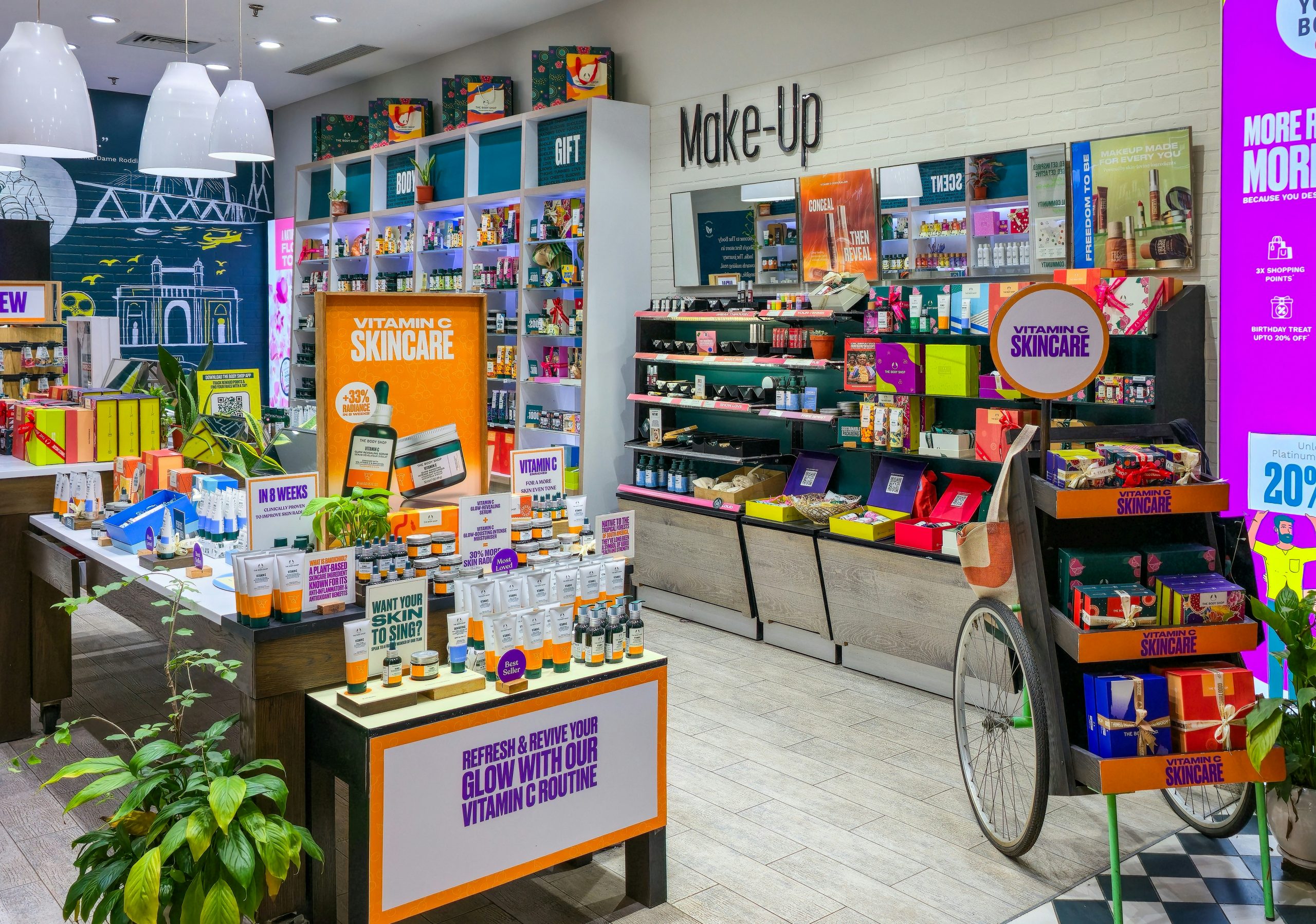
The core challenge with brick and mortar marketing is that customer journeys are messy. Someone might see your Facebook ad on Monday, get a text reminder on Wednesday, walk past your storefront on Friday, and finally come in to buy something the following Tuesday. Which touchpoint gets the credit? In ecommerce, cookies and pixels can often answer that question. In a physical store, you are working with a lot more guesswork unless you build a system for capturing the right signals. This is also why so many retail marketers feel like they are flying blind. It is not that measurement is impossible, it is that most businesses never set up the tracking infrastructure before they launch a campaign, so they are stuck trying to reverse-engineer results after the fact. The fix starts with picking metrics that are realistic for a physical location, not just borrowing whatever dashboard your digital team already uses.
Pick Metrics That Actually Reflect Store Performance
Before you touch a single tool, get clear on what “success” looks like for your specific campaign. A grand opening promotion should be judged differently than a loyalty program, and a seasonal sale should be judged differently than a brand awareness push. Some of the most useful categories to track include:
- Traffic-based metrics – how many people physically entered the store during a campaign window compared to a normal period
- Transaction-based metrics – average ticket size, units per transaction, and total sales tied to a promotion
- Engagement metrics – social media mentions, check-ins, reviews, and loyalty sign-ups tied to a specific push
- Conversion metrics – the percentage of visitors who actually made a purchase versus just browsing
- Retention metrics – repeat visit rate among customers acquired through a specific campaign
Once you know which of these matter most for the campaign you are running, you can build your tracking plan backward from there instead of trying to measure everything at once.
Foot Traffic Is Your New Website Traffic
For digital marketers, website sessions are the baseline metric everything else builds on. For brick and mortar businesses, foot traffic plays that same role. You cannot calculate conversion rate, dwell time, or basement engagement numbers without first knowing how many people actually walked in. There are a few reliable ways to capture this data. Door counters and footfall cameras give you a straightforward headcount, and many modern systems can differentiate between employees, repeat visitors, and new faces. Wifi analytics tools can track how many devices pinged your in-store network and how long they stayed. Some retailers even use their point-of-sale system’s built-in customer counter alongside receipt data to estimate visit-to-purchase ratios. The goal is not perfection here, it is consistency. If you track foot traffic the same way every week, you will start to see patterns that tell you whether a specific campaign actually moved the needle.
Bridging the Gap Between Online Campaigns and Offline Visits
Most brick and mortar businesses today are not purely brick and mortar, they are running digital ads, email campaigns, and social content that are all meant to drive people into a physical location. The tricky part is proving that the online spend actually translated into store visits. A few tactics make this connection easier to see:
- Use unique promo codes or coupons per channel so you can track redemption by source
- Set up call tracking numbers on ads and listings so inbound calls can be attributed to a specific campaign
- Offer a small “mention this ad” incentive at checkout so staff can log where customers heard about you
- Use geofenced or location-based ad platforms that report on store visit lift, not just clicks
- Sync your CRM or loyalty program with campaign data so you can see which acquisition channel produces the highest lifetime value customers
None of these tactics require enterprise-level budgets. Even a small shop can run a simple version of this by asking “how did you hear about us” at checkout and logging the answers in a spreadsheet.
What the Data Says About Customers Who Shop Both Ways
It is worth pausing here to look at what current research actually says about how people behave when they have both online and offline options, because it shapes how you should be measuring results. According to a 2026 retail marketing roundup published by Invoca, a majority of adult shoppers, more than half, say they prefer to move between browsing online and buying in a physical store rather than sticking to just one channel. The same report, citing analysis from VendHQ, points out that businesses failing to deliver a consistent experience across both channels are leaving a meaningful slice of revenue on the table, estimated around 10 percent in lost sales. What that means for measurement is simple but important: if you are only tracking in-store sales in isolation, without factoring in how your digital presence influenced that visit, you are almost certainly undercounting the real return on your marketing spend. A shopper who researched your product on their phone, checked your reviews, and then walked into your store to buy should be counted as a win for both your digital and physical marketing efforts, not treated as two separate, disconnected events.
The Confidence Gap That’s Quietly Hurting Retailers
Here is a statistic that should make every retail marketer sit up a little straighter. A 2026 report on marketing attribution, compiled by Omnibound using data from Nielsen’s Annual Marketing Report, found that the vast majority of marketers, roughly 85 percent, say they feel confident in their ability to measure return on investment across channels. But when you look at how many are actually doing true cross-channel measurement, the number drops all the way down to around 32 percent. That gap between perceived skill and actual practice is a big deal, especially for physical retail, where attribution is already harder than it is for a pure ecommerce brand. If most marketers overestimate their own measurement capabilities, it is likely that a lot of local businesses are making budget decisions based on incomplete or misleading data. Maybe a campaign gets more credit than it deserves because it happened to coincide with a slow news cycle, or maybe a genuinely effective local partnership gets cut because nobody built the tracking to prove it worked. The lesson here is to be honest with yourself about how much of your “measurement” is actual data versus gut feeling. If you are not confident you could explain, with numbers, why one campaign outperformed another, that is a sign it is time to build a real system rather than relying on instinct.
Practical KPIs You Can Start Tracking This Week

If you want to move from theory to action, here are some concrete key performance indicators that work well for most physical retail and service businesses:
- Cost per visit – total campaign spend divided by the number of additional visits it generated
- Sales lift – comparing sales during a campaign window against a comparable baseline period, ideally the same days from a few weeks prior
- Average transaction value during promotions – to see whether marketing is pulling in bargain hunters or genuinely higher-value customers
- Redemption rate – the percentage of people who received a coupon, flyer, or offer who actually used it
- New versus returning customer ratio – to understand whether a campaign is expanding your customer base or just re-engaging existing fans
- Dwell time – how long customers stay in the store, which often correlates with basket size
Even if you only track two or three of these consistently, you will have far more insight than most competitors who are still measuring success purely by gut feeling at the end of the month.
Tools That Make This Easier Than It Sounds
You do not need a massive martech stack to start measuring effectively. A combination of a few accessible tools can cover most of what a small or mid-sized retailer needs. Point-of-sale systems with built-in reporting can track sales by time period and sometimes by campaign tag. Footfall counters, whether camera-based or infrared, give you the raw traffic numbers. Google Business Profile insights show you how many people viewed your listing, requested directions, or called directly from a search result. Review platforms and social listening tools help you gauge sentiment and buzz tied to a specific push. And for businesses that are opening a brick and mortar location for the first time after operating purely online, setting up this measurement stack from day one, rather than retrofitting it later, saves an enormous amount of guesswork down the road. Spreadsheets are also still a completely valid tool here. You do not need a fancy dashboard to start spotting patterns, you just need consistency in how you log and review the numbers week over week.
Mistakes That Quietly Skew Your Numbers
Even well-intentioned measurement efforts can go sideways if you are not careful. A few common pitfalls to watch for:
- Comparing campaign performance to the wrong baseline, such as a holiday week against a random slow Tuesday
- Attributing all foot traffic to a single campaign when multiple promotions overlapped
- Ignoring seasonality, weather, or local events that could explain a traffic spike or dip
- Failing to separate one-time purchasers from customers who came back multiple times
- Only measuring immediate sales and ignoring longer-term brand awareness effects that show up weeks or months later
Being aware of these traps will not eliminate all the noise in your data, but it will keep you from drawing confident conclusions from misleading numbers.
Building a Simple, Repeatable Measurement Framework
The businesses that get the most value out of measurement are not necessarily the ones with the most sophisticated tools, they are the ones with the most consistent process. A simple framework looks something like this: define the goal of the campaign before it launches, decide which two or three metrics will indicate success, set a baseline using recent historical data, run the campaign while logging results daily or weekly, and then compare the outcome against your baseline once the campaign wraps. Do this every time, even for small local promotions, and over months you will build a genuinely useful internal benchmark library. You will start to know, with real evidence, that a certain type of local partnership reliably drives thirty extra visits, or that a specific social promo tends to pull in higher-than-average transaction values. That kind of institutional knowledge is worth far more than any single campaign report, because it compounds over time and makes every future marketing decision a little smarter.
Turning Data Into Better Marketing Decisions
At the end of the day, measurement is not about proving you were right, it is about learning what actually works so you can do more of it. The two data points above make it clear that customer behavior is more blended than ever between digital and physical shopping, and that most marketers are overconfident about how well they are tracking it. Closing that gap does not require a massive budget or a specialized analytics team. It requires picking a few honest metrics, tracking them consistently, and being willing to let the numbers challenge your assumptions. Do that consistently, and your brick and mortar marketing will stop feeling like a guessing game and start feeling like a genuine growth engine.