

Taking a retail store or commercial facility from a signed lease to a fully operational grand opening requires careful planning, disciplined execution, and clear coordination across multiple disciplines. When an entrepreneur or property owner secures a physical space, the enthusiasm of starting a new business chapter is often met with the practical reality of managing dozens of moving parts simultaneously. A successful commercial build-out demands far more than surface cosmetic upgrades. It requires a structured framework that addresses legal compliance, structural integrity, spatial ergonomics, exterior branding, marketing assets, and daily operational logistics. Without a detailed execution plan, project timelines quickly slip, unbudgeted expenses accumulate, and scheduled launch dates get delayed.
The initial phase of any commercial project begins long before construction crews arrive on site with tools. Securing standard municipal permits, reviewing lease terms, and ensuring regulatory compliance lay the essential groundwork for everything that follows. Local zoning codes dictate how a commercial space can be utilized, what structural modifications are permitted, and how public access must be managed. Engaging a firm or legal practitioner with expertise in business law helps commercial tenants identify hidden liabilities within lease documents, negotiate tenant improvement allowances, and ensure that architectural plans adhere strictly to local ordinances. Taking the time to resolve these contractual nuances at the start prevents costly legal disputes, structural rework, or delayed occupancy permits later in the project lifecycle.
Once the initial contracts and regulatory requirements are thoroughly understood, project leaders must establish a comprehensive project timeline and budget buffer. Commercial renovations frequently reveal unexpected structural, electrical, or plumbing issues once demolition begins behind existing walls. Creating a realistic schedule that accounts for permit approval delays, material shipping lead times, and trade contractor availability gives the management team the flexibility required to navigate unforeseen obstacles without derailing the overarching project launch schedule.
Table of Contents
- Assessing and Upgrading Exterior Property Access and Infrastructure
- Transforming Interior Surfaces and High-Durability Finishes
- Optimizing Storefront Glass, Energy Efficiency, and Building Security
- Designing and Installing Exterior Visual Branding and Signage
- Developing Print Marketing Collateral and Operational Print Assets
- Post-Construction Sanitation Protocols and Ongoing Facility Maintenance
- Conducting Final Inspections, Soft Launching, and Executing the Grand Opening
Assessing and Upgrading Exterior Property Access and Infrastructure

With structural blueprints approved and permits secured, attention naturally shifts toward the exterior of the commercial property. First impressions begin at the edge of the property line, making the exterior landscape and entrance points vital components of customer attraction and safety. A cracked, pot-holed asphalt surface or poorly marked driving lanes present immediate liability hazards and project an uninviting image to prospective visitors. Investing in professional parking lot paving ensures a smooth, durable, and properly graded surface that guides vehicular traffic safely while adhering to municipal accessibility guidelines. Clean asphalt and clear stall markings signal to customers that the business operates with high standards from the moment they drive onto the premises.
Alongside ground-level improvements, primary access points require thorough evaluation before opening day. High-traffic commercial entryways endure continuous daily wear and tear, making proper door functionality crucial for security, climate control, and accessibility. Damaged hinges, malfunctioning automatic sensors, or misaligned frames create safety liabilities, lower energy efficiency, and project a neglected image. Scheduling a comprehensive commercial door repair guarantees that main entryways operate smoothly, seal tightly against weather elements, and remain compliant with local emergency egress codes. Ensuring proper door operation protects both the physical facility asset and the safety of every person entering the building.
Exterior lighting and pedestrian walkways also demand careful consideration during this phase. Inadequate lighting in parking areas or along building perimeters compromises customer safety during evening hours and increases security risks after business hours. Installing bright, energy-efficient LED fixtures along walkways, structural corners, and parking zones creates a secure environment for both customers and staff members. Properly maintained pathways, paired with smooth pavement and functional entries, build immediate confidence for anyone visiting the new location.
Transforming Interior Surfaces and High-Durability Finishes
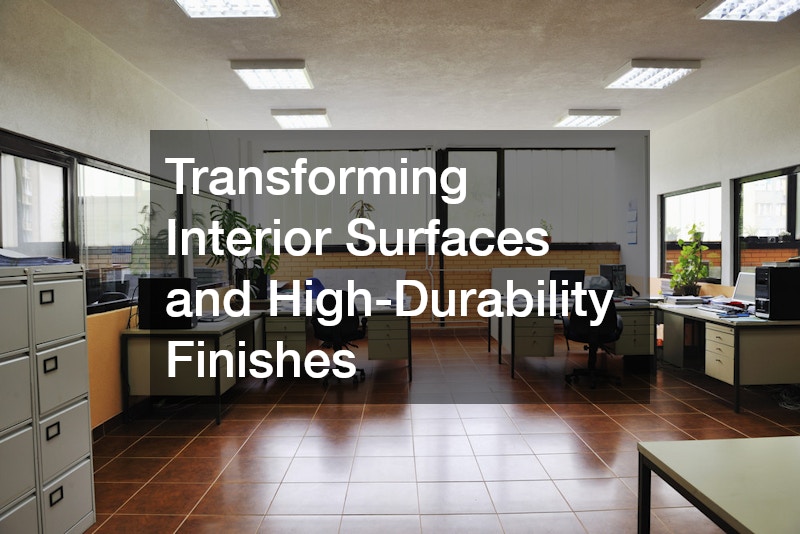
Moving inside the structure, interior transformation begins with surface preparation and high-durability finishes. Walls, ceilings, and structural supports set the visual tone of the commercial environment. Applying fresh, high-quality wall finishes is one of the most effective methods to redefine a space and establish cohesive brand identity. A professional commercial painter brings specialized equipment and expertise in selecting moisture-resistant, scrubbable paints that withstand heavy daily foot traffic and frequent cleaning routines. Proper wall preparation, including drywall patching, sanding, and primer application, creates a polished appearance that reflects professionalism across every customer-facing zone.
Simultaneously, commercial flooring choices must balance aesthetic appeal with long-term mechanical resilience. Commercial floors endure constant friction, heavy foot traffic, liquid spills, machinery weight, and chemical exposure depending on the nature of the business operations. Standard residential flooring materials rarely withstand these heavy demands, making specialized industrial treatments necessary. Partnering with local floor coating services provides access to high-performance epoxy, polyurethane, or polyaspartic applications engineered for commercial durability. These continuous coatings eliminate porous grout lines, resist staining, and create seamless, easy-to-clean surfaces that enhance indoor light reflection while maintaining essential slip-resistant safety features.
Color selection and lighting integration play significant roles in interior spatial dynamics. Lighter wall tones can make compact retail spaces feel open and inviting, while strategic accent colors direct customer attention toward key product displays or service counters. When pairing interior finishes with planned overhead lighting, facility managers should evaluate how different surface gloss levels react to ambient light. High-gloss coatings may reflect excess glare, whereas satin or matte finishes deliver a smooth, uniform appearance that elevates the overall interior aesthetic.
Optimizing Storefront Glass, Energy Efficiency, and Building Security
The perimeter envelope of the commercial space directly impacts energy expenditure, internal climate stability, and exterior visual appeal. Storefront glass serves as the primary visual portal through which passing pedestrians view products and services, making clear, damage-free glass essential for effective visual merchandising. Beyond aesthetics, aging double-pane windows often suffer from broken thermal seals, leading to fogging, interior moisture accumulation, and elevated heating and cooling bills. Engaging a qualified window replacement service allows commercial operators to install energy-efficient, impact-resistant glass that reduces utility expenses while improving acoustic insulation against street noise. Modern commercial glass options also feature ultraviolet blocking technology that protects interior furnishings, floor finishes, and retail merchandise from sun bleaching.
In addition to thermal regulation, storefront windows play an integral role in overall physical security and building protection. Outdated or single-pane glass frames present vulnerable points of entry for unauthorized access or severe weather damage. Modern replacement frames utilize reinforced aluminum extrusions designed to accommodate safety glass or specialized security laminates. Upgrading these architectural elements provides peace of mind while creating a clean, modern aesthetic that attracts prospective customers. Proper installation ensures water-tight seals around window perimeters, preventing hidden moisture intrusion that could compromise interior wall framing or indoor air quality over time.
Storefront glass maintenance should also account for seasonal weather fluctuations. Extreme temperature changes can cause expansion and contraction in window seals, potentially leading to drafty interiors if seals are improperly fitted. Installing double-glazed or low-emissivity glass reduces HVAC system strain during extreme summer heat or winter cold, creating a comfortable environment for shoppers and staff while keeping operational overhead manageable month after month.
Designing and Installing Exterior Visual Branding and Signage
Exterior visual branding serves as the primary physical signal for local customers searching for a new establishment. A commercial facility remains largely invisible without prominent, well-designed external identification that communicates brand presence from a distance. Designing, fabricating, and mounting a custom business sign requires careful coordination between graphic designers, sign fabricators, and municipal planning departments. Local sign codes often regulate overall dimensions, illumination levels, mounting height, and setback distances from public roadways. Securing necessary municipal sign permits early in the build-out phase prevents unexpected installation delays prior to the scheduled grand opening.
Selection of materials and illumination technology plays a major role in sign longevity and daytime visibility. Channel letters, monument structures, blade signs, and illuminated cabinet signs each offer distinct visual advantages depending on building architecture and road visibility. Integrating low-voltage LED illumination guarantees that brand messaging remains vibrant during evening hours while minimizing electrical energy consumption. Professional installation ensures that heavy mounting hardware is securely anchored to structural wall studs or masonry, protecting the financial investment against high wind loads and harsh weather conditions.
Brand consistency across all exterior elements reinforces customer recognition before anyone steps through the front door. Aligning sign typography, logo geometry, and corporate colors with the overall exterior building finishes creates a unified architectural identity. A well-placed, professionally lit sign serves as an effective silent marketer, driving foot traffic and reinforcing brand equity twenty-four hours a day, seven days a week.
Developing Print Marketing Collateral and Operational Print Assets

As physical construction nears completion, marketing and operational logistics demand focused execution. Preparing a commercial enterprise for launch involves producing physical print materials that establish brand presence across offline customer touchpoints. High-volume marketing campaigns require reliable printing services to manufacture grand opening flyers, promotional banners, directional interior signs, business cards, branded gift cards, and employee training manuals. Consolidating print orders with a single professional print vendor maintains strict color accuracy, paper stock consistency, and brand standards across every physical piece of collateral.
Beyond promotional flyers and advertising banners, functional print materials are essential for day-to-day operations. Restaurant menus, retail price lists, rack cards, work order forms, safety instruction sheets, and employee handbooks must be formatted, printed, and organized before staff onboarding begins. Coordinating print production schedules alongside construction completion timelines ensures that all marketing and operational paper goods arrive on site well before opening day. Having physical promotional materials ready for early distribution allows local outreach teams to begin building community anticipation in the final weeks leading up to the grand opening.
In addition to customer-facing print assets, internal administrative print items should not be overlooked. Inventory logs, maintenance schedules, compliance posting boards, and emergency contact directories keep daily operations organized and compliant. Selecting high-durability finishes, such as lamination or heavy cardstock, ensures that operational print assets survive daily handling in high-traffic work environments.
Post-Construction Sanitation Protocols and Ongoing Facility Maintenance
Once major mechanical work, painting, and fixture installations wrap up, the facility transitions from an active construction site to a pristine commercial environment. Construction projects naturally generate fine drywall dust, adhesive residue, paint splatters, and sawdust that standard commercial cleaning equipment cannot handle. Stocking the maintenance closet with industrial-grade cleaning supplies, including microfiber mops, heavy-duty degreasers, commercial glass polishers, HEPA-filter vacuums, and heavy-duty waste containers, empowers on-site personnel to maintain high cleanliness standards once the business opens its doors.
To handle the intensive deep cleaning required prior to opening day, bringing in specialized commercial sanitation professionals is highly recommended. Contracting a professional janitor service ensures that every square foot of the facility receives thorough sanitation, from high dusting overhead lighting fixtures to scrubbing floor tile grout and polishing entry glass. Professional cleaning crews possess specialized machinery capable of extracting fine construction dust from air returns, corners, and floor joints. Establishing an ongoing custodial service contract during the build-out phase guarantees that daily maintenance routines are seamlessly established before opening day arrives.
Establishing systematic cleaning protocols early protects the significant financial capital invested during the renovation process. Uncleaned construction dust can settle into newly installed HVAC filters, damage mechanical equipment, or dull fresh floor coatings. Thorough post-construction sanitation restores brilliance to every surface, ensuring that the physical environment looks, smells, and feels brand new when the first official customers step inside.
Conducting Final Inspections, Soft Launching, and Executing the Grand Opening
The final stage of a commercial build-out centers on operational readiness, staff training, and final regulatory sign-offs. Before opening doors to the general public, management must schedule final building, fire, health, and accessibility inspections to obtain the official Certificate of Occupancy. Holding a controlled soft launch or dress rehearsal with family, friends, or selected local community members allows staff members to practice service workflows, test point-of-sale systems, and refine operational processes in a live setting without full public pressure.
Executing a successful grand opening represents the culmination of strategic planning, financial investment, and coordinated trade execution. By systematically managing legal compliance, exterior infrastructure, interior finishes, brand identity, and operational logistics, business owners establish a solid foundation for long-term commercial success. A thoroughly prepared brick-and-mortar location creates a memorable first impression, turning first-time visitors into loyal repeat customers from the very first day of business.