

Maintaining a commercial asset requires balancing daily operational firefighting with long-term capital planning. Whether managing an industrial park, a high-rise office complex, or a sprawling retail center, deferring minor repairs invariably leads to compounding equipment failures, tenant dissatisfaction, and diminished asset value. A structured, preventative maintenance framework ensures that building systems run efficiently, unexpected downtime is minimized, and life safety remains paramount.
This comprehensive maintenance guide breaks down complex facility upkeep into six logical operational zones. By following these actionable strategies, facility leaders can transition from reactive repair models to proactive asset preservation, safeguarding net operating income and ensuring regulatory compliance.
- HVAC and Environmental Control Optimization
- Industrial Machinery and Heavy Fleet Maintenance
- Specialized Utility Systems and Industrial Sanitation
- Perimeter Integrity and Exterior Ground Operations
- Access Control, Hardware, and Loading Bay Maintenance
- Life Safety and Vendor Governance
- Summary of Maintenance Execution
HVAC and Environmental Control Optimization
Heating, ventilation, and air conditioning systems represent the primary energy expense and tenant comfort variable in any commercial facility. System downtime or poor indoor air quality directly affects tenant retention and operational overhead. Protecting these assets requires balancing technical servicing with real-time digital monitoring.
Seasonal Mechanical Servicing Protocols
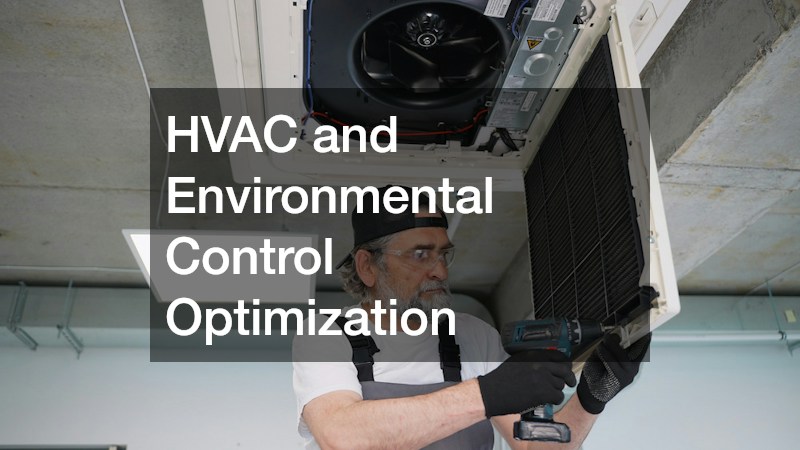
Establishing a rigorous biannual checkup schedule before peak heating and cooling seasons is essential for extending equipment lifespan. In early spring and late autumn, technician teams must complete full system diagnostic audits across chillers, cooling towers, boilers, and rooftop units (RTUs).
-
Replace all return and supply air filters every 60 to 90 days, upgrading to high-MERV rated media during high-pollen seasons or heavy industrial use.
-
Inspect supply fan belts for proper tension and wear, replacing cracked or frayed belts before mechanical slippage damages drive shafts.
-
Clean condensate drain pans and flush drain lines with algaecide tablets to prevent overflows and mold proliferation within mechanical plenums.
-
Measure operating voltages and electrical current draws on blower motors and compressor leads to identify failing electrical components before catastrophic lockup occurs.
For comprehensive system overhauls, duct cleaning, and complex refrigerant line diagnostics, facility teams should partner with certified HVAC contractors to perform annual safety audits and handle EPA-regulated refrigerant containment.
Centralized Environmental Monitoring and Automation
Modern facilities rely on intelligent controls to balance interior air quality with demanding energy-efficiency goals. Manual adjustments to thermostats lead to erratic energy spikes, inconsistent building temperatures, and tenant complaints.
-
Establish seasonal occupancy schedules that set back temperatures during off-hours, weekend shifts, and official holidays.
-
Regularly calibrate duct static pressure sensors, outdoor air enthalpy sensors, and room temperature thermostats to ensure accurate climate data feeds.
-
Verify that outdoor air dampers modulate correctly to maximize economizer mode cooling during temperate weather conditions.
Integrating centralized commercial building automation provides operational teams with real-time visibility into overall system performance, automated fault detection, and precise scheduling tools. This digitized oversight ensures early detection of thermal anomalies, keeping utility costs low and indoor environments consistently comfortable.
Industrial Machinery and Heavy Fleet Maintenance
Industrial facilities, distribution centers, and logistics hubs depend on heavy equipment to maintain supply chain movement. Mechanical failures on the warehouse floor stall daily throughput and create severe workplace safety hazards.
Warehousing Equipment Inspections and Safety Audits
Material handling machinery operates under constant heavy loads, making daily operational checks and scheduled preventative maintenance essential for workplace safety and equipment longevity.
-
Conduct pre-shift operator inspections focusing on hydraulic hose wear, lift cylinder leaks, braking efficiency, and horn operation.
-
Inspect tire tread depth and check solid pneumatic wheels for chunking, flat spots, or rim damage caused by floor debris.
-
Establish strict battery watering and equalize charging cycles for electric material handling fleets, while testing propane fuel lines for leaks on combustion models.
-
Clean mast chains, grease slide rails and steering knuckles on a bi-weekly basis to prevent binding during heavy hoisting operations.
When expanding operational capacity or replacing aging material handling assets, facility logistics managers often review current inventory of fork lifts for sale to secure machinery that matches the exact weight ratings, lift heights, and turning radii needed for their facility layout.
Heavy Generator and Stationary Engine Upkeep
Backup power systems are the last line of defense against prolonged utility outages. A backup power system that fails during an emergency exposes a property to millions of dollars in potential flood, freeze, or operational losses.
-
Execute weekly no-load automated engine generator runs to cycle lubricating oil through critical internal passages and maintain battery charge states.
-
Schedule annual full load-bank tests to burn off accumulated carbon deposits (wet stacking) and verify radiator cooling capacity under actual operational loads.
-
Test diesel fuel quality twice annually for microbial growth, water accumulation, and sediment buildup, applying fuel polishing treatments as needed.
When servicing heavy-standing generators or industrial equipment powerhouses, engine restoration becomes necessary over time. Sourcing a remanufactured Caterpillar engine offers a cost-effective alternative to complete generator unit replacement, restoring original power capabilities while remaining within capital expenditure budgets.
Specialized Utility Systems and Industrial Sanitation
Below-grade utilities, liquid storage assets, and primary plumbing networks are frequently overlooked until a backup or structural breach causes major business disruption. Proactive fluid management mitigates severe environmental compliance fines and costly property damage.
Fluid Storage Containment and Deep Cleaning
Commercial properties utilizing fuel oil storage tanks, wastewater holding basins, or large stormwater retention vessels must ensure the physical integrity of these vessels through routine non-destructive testing.
-
Perform quarterly visual inspections on secondary containment dikes, interstitial leak detectors, and double-walled vessel vents for signs of structural cracking or chemical corrosion.
-
Test electronic high-level alarm sensors monthly to prevent overfill incidents during bulk fluid transfers.
-
Drain and flush sediment traps on grease interceptors and sand-oil separators before sludge volumes exceed 25% of overall vessel capacity.
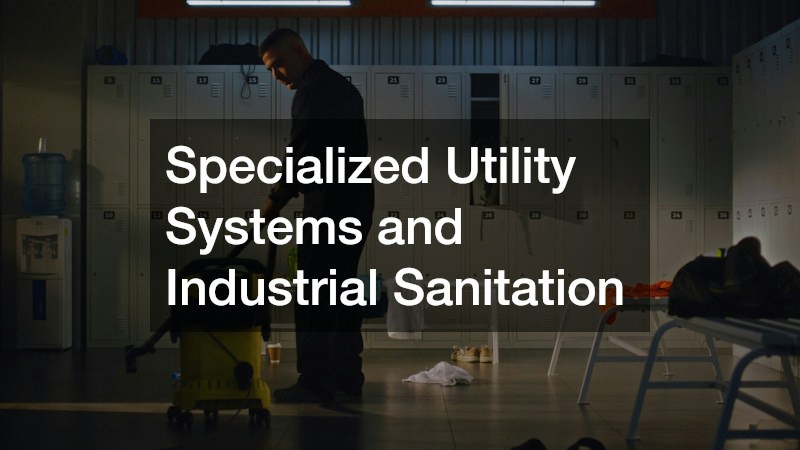
For deep sediment extraction, hazardous waste removal, and internal vessel wall inspections, facility directors must engage a professional commercial tank cleaning service equipped with high-pressure hydro-jetting, confined-space safety apparatus, and certified waste disposal channels.
Plumbing Network Integrity and Backflow Prevention
Plumbing infrastructure endures high pressure and mineral wear daily. Undetected leaks or backflow contamination present significant structural and health liabilities to property operations.
-
Schedule mandatory annual backflow assembly testing on domestic water lines, irrigation feeds, and fire sprinkler connections with certified municipal inspectors.
-
Exercise main water shut-off valves twice a year to prevent mineral seizure, ensuring rapid isolation during pipe failure emergencies.
-
Inspect domestic water heaters, circulating pumps, and expansion tanks for corrosion, verifying that temperature and pressure relief valves function correctly.
-
Conduct periodic video inspections of main sewer laterals to identify root intrusion, pipe sagging, or heavy scale accumulation before severe main line backups occur.
Perimeter Integrity and Exterior Ground Operations
First impressions, site access, and boundary security depend on well-maintained exterior grounds. The exterior landscape must withstand seasonal weather cycles while providing safe transit paths for vehicular traffic, tenants, and delivery fleets.
Asphalt Pavement Care and Traffic Surface Upkeep
Paved surfaces suffer continuous wear from vehicle weight, chemical spills, and freeze-thaw cycles. Untreated surface cracks rapidly develop into structural base failures, creating trip hazards and expensive asphalt repair projects.
-
Conduct quarterly walk-through inspections of all drive aisles, parking bays, and loading corridors to log alligator cracking, potholes, and standing water issues.
-
Clear debris and leaf litter from catch basins and storm grates bi-weekly to prevent surface flooding and sub-base water saturation.
-
Re-stripe traffic lane arrows, fire lane markings, and accessible parking spaces annually to maintain local ADA compliance and smooth traffic flow.
To maximize pavement lifespans, site managers should partner with commercial paving contractors every three to five years to apply protective sealcoating, inject hot-pour rubberized crack sealants, and repair degraded sub-base sections before full resurfacing becomes necessary.
Boundary Fencing and Automated Gate Maintenance
A physical perimeter is the primary barrier preventing unauthorized access, vandalism, and liability claims on commercial acreage.
-
Inspect perimeter chain link, wrought iron, or security fencing monthly for loose top rails, damaged tension wires, and compromised posts.
-
Clear overhanging tree limbs, heavy brush, and climbing vegetation away from fence lines to prevent structural bowing and maintain clear sightlines for CCTV networks.
-
Lubricate gate hinges, rollers, guide tracks, and drive chains on automated vehicular entry gates every quarter to reduce mechanical drag on electric motor drives.
-
Test safety photo-eyes, magnetic loop detectors, and edge sensors weekly on automated security gates to ensure emergency auto-reverse functionality works correctly.
When expanding site perimeters or upgrading security fencing, vetting commercial fence companies ensures that installed hardware meets regional anti-climb ratings, wind-load requirements, and automated access control standards.
Access Control, Hardware, and Loading Bay Maintenance
High-traffic access points undergo thousands of cycles every week. Loading dock bays and main entry doors must operate smoothly to keep logistics moving and maintain building envelope security.
Overhead Bay Doors and Loading Dock Maintenance
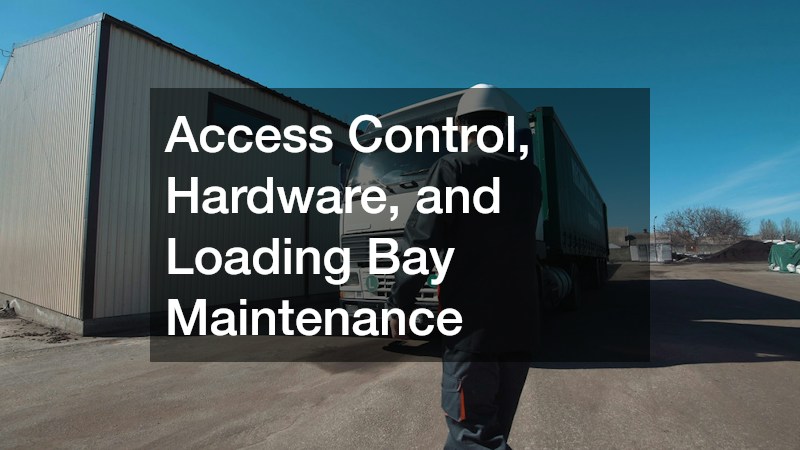
Loading bays endure heavy abuse from delivery trucks and material handling equipment. Faulty dock levelers or jammed overhead doors stall shipping lanes and create severe safety risks for dock workers.
-
Inspect overhead door lift cables, torsion springs, track rollers, and mounting brackets monthly for signs of metal fatigue, fraying, or misalignments.
-
Lubricate roller bearings, track curves, spring coils, and hinge pins monthly with commercial-grade lubricants to ensure smooth operation.
-
Inspect dock leveler lip hinges, hydraulic cylinders, and rubber dock bumpers, replacing cracked or flattened bumpers to protect the building structure during truck docking.
-
Verify that dock light systems, truck restraints, and door interlocks operate properly to prevent accidental vehicle drive-aways during loading operations.
Prompt attention from a qualified commercial garage door service resolves spring tension imbalances, track bends, and panel replacements before a failing bay door halts warehouse operations completely.
Physical Key Control and Egress Lock Hardware
Entryways and interior suite doors require strict security oversight. Mechanical locks and panic hardware must balance daily access convenience with emergency egress codes.
-
Inspect panic egress bars, latch bolts, and door closers quarterly on all main exit doors to ensure smooth opening and complete latching upon closure.
-
Check electronic strike plates and magnetic locks for proper alignment, verifying that access card readers release instantly during fire alarm trips.
-
Maintain a master key registry to track issued keys, restricted keyways, and master key access rights across all tenant spaces.
When rekeying vacant tenant suites, upgrading to high-security core systems, or resolving mechanical lock failures, facility managers should work with an experienced commercial locksmith to protect physical keying integrity and keep all hardware compliant with life safety codes.
Life Safety and Vendor Governance
Physical system maintenance must be supported by thorough documentation and rigorous administrative oversight. Protecting life safety and managing vendor relationships effectively are core duties of any successful facility management operation.
Fire Protection and Egress Infrastructure
Fire suppression systems and life safety equipment demand uncompromised readiness. System failures during a fire event lead to catastrophic loss of life and immediate property forfeiture.
-
Perform monthly visual inspections of all fire extinguishers, checking gauge pressures, safety seals, tag dates, and clear access paths.
-
Inspect dry and wet pipe fire sprinkler risers monthly, recording water pressure readings and checking air maintenance devices on dry systems.
-
Conduct monthly operational tests of emergency exit signage and battery-backed emergency lights, performing full 90-minute discharge tests annually.
-
Schedule mandatory annual fire alarm panel testing, flow switch testing, and fire pump performance certifications with qualified life safety technicians.
Vendor Relationship Management and Strategic Governance
Executing a multi-disciplinary maintenance plan across a large property portfolio requires coordinating numerous third-party specialists, internal staff, and material suppliers.
-
Maintain an updated repository of Certificates of Insurance (COIs) for all external trade contractors, verifying coverage limits before work begins on-site.
-
Establish clear Service Level Agreements (SLAs) with emergency response vendors to ensure guaranteed response times during power outages, pipe bursts, or storm damage.
-
Implement a central work order system to record repair histories, schedule preventative maintenance tasks, and track contractor costs against annual maintenance budgets.
Under modern commercial property management protocols, organizing maintenance records, vendor contracts, and asset histories into a centralized digital management system ensures full operational transparency, simplifies audit processes, and protects overall property value over time.
Summary of Maintenance Execution
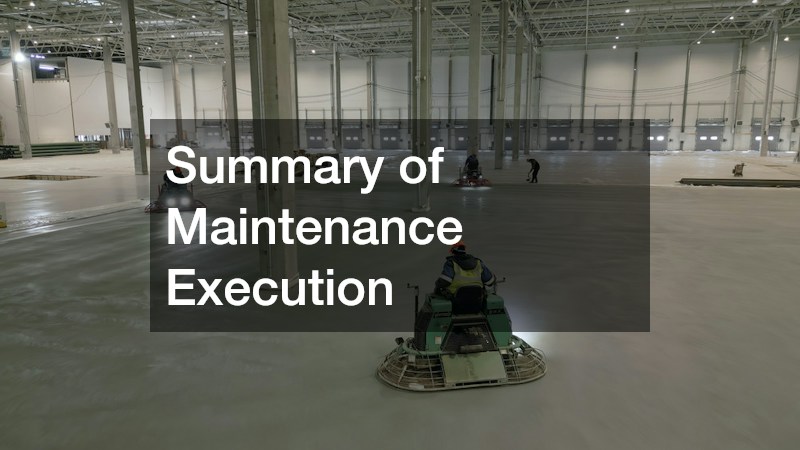
Transitioning a commercial site from a reactive environment to an organized preventative maintenance structure requires dedication, detailed record-keeping, and qualified vendor partnerships. By systematically addressing HVAC systems, heavy equipment fleets, industrial utilities, exterior grounds, high-traffic entryways, and life safety compliance, facility managers protect structural integrity and operational efficiency.
A well-executed preventative maintenance framework minimizes emergency repair costs, lowers utility consumption, ensures safety compliance, and improves tenant retention. Treating physical property assets as long-term investments rather than short-term overhead preserves asset value, optimizes net operating income, and maintains a competitive edge across the commercial real estate marketplace.