

Opening a commercial kitchen is one of the most rewarding yet demanding projects a food service operator can undertake. From crafting memorable menus to hiring talented culinary staff, the initial setup phase requires incredible attention to detail. However, behind every successful restaurant opening lies an intricate operational infrastructure that must function without fail. A commercial kitchen is not simply an enlarged domestic kitchen. It is a high-volume manufacturing environment where heat, moisture, mechanical equipment, and rapid human movement intersect daily. Careful planning during the architectural phase eliminates costly layout revisions once construction begins.
To ensure long-term profitability and eliminate sudden operational halts, owners must establish a comprehensive startup strategy long before the grand opening date. Skipping critical structural, sanitation, or legal steps often leads to expensive retrofits, failed building inspections, or immediate municipal fines. Approaching kitchen construction and readiness with a structured checklist allows management to balance initial capital expenses with smart long-term preventative maintenance plans. Regular inspection habits during buildout lay a strong foundation.
One of the earliest decisions management faces involves setting up supply chains and inventory storage solutions. Designing organized dry storage, cold storage, and prep areas allows kitchen teams to handle delivery volume efficiently. As menus are finalized, purchasing managers often choose to buy bulk ingredients to lower food costs and stabilize profit margins. Storing substantial quantities of dry items, spices, flours, oils, and canned goods requires heavy-duty stainless steel shelving, raised off-the-floor pallets, and clear labeling systems. Proper layout design prevents inventory damage, deters pests, and streamlines inventory counting during busy shifts. Planning these procurement steps early prevents unexpected delivery bottlenecks, protects raw supply freshness, and helps maintain consistent recipe standards from day one.
At the same time, workplace protection demands immediate attention during early facility planning. Local municipalities require strict adherence to fire safety standards before granting any business operating license or certificate of occupancy. Setting up clear emergency exit routes, mounting accessible hand-held extinguishers, installing proper exit lighting, and training staff in emergency evacuation protocols forms the first line of defense in protecting employees, guests, and physical assets.
Table of Contents
- Climate Control and Mechanical Air Quality Management
- Cold Storage Maintenance and Food Preservation Systems
- Fire Suppression Infrastructure and Life Safety Systems
- Environmental Stewardship and Liquid Waste Management
- Facility Sanitation Routines and Professional Deep Cleaning
- Creating a Sustainable Operational Schedule for Launch and Beyond
Climate Control and Mechanical Air Quality Management
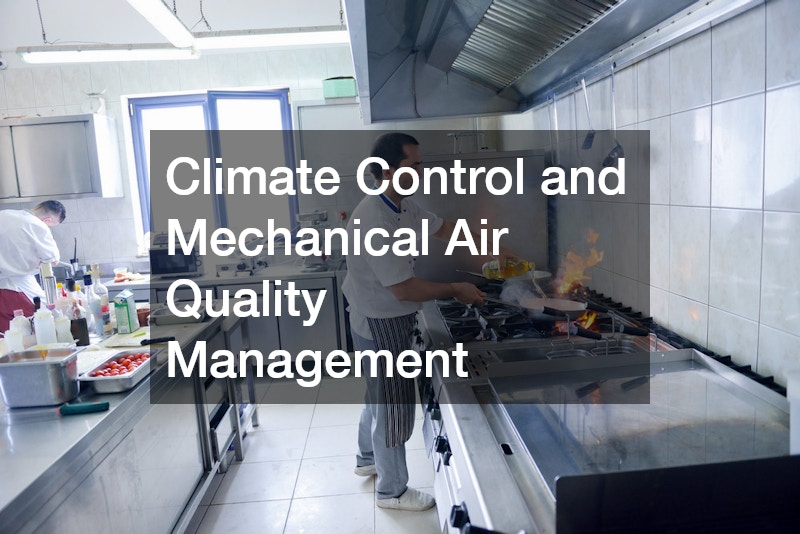
High-volume cooking generates immense amounts of thermal energy, ambient steam, airborne grease particles, and combustion gases. Without efficient air exchange, a commercial kitchen quickly becomes uncomfortable, unsafe, and unhealthy for kitchen workers. Poor air quality leads to cook fatigue, increased employee turnover, reduced productivity, and potential health code violations. Maintaining comfortable temperature levels also protects electronic kitchen equipment from overheating.
When designing the building layout, engineering teams must carefully calculate airflow requirements based on kitchen square footage, equipment BTUs, and local building codes. Investing in modern HVAC installations ensures that the facility can handle heavy heat loads while balancing interior air pressure. When kitchen exhaust hoods draw massive volumes of air out of the building, dedicated makeup air units must supply fresh, temperature-controlled air back into the space. Without balanced makeup air, negative air pressure creates suction that pulls warm outside air into dining areas, causes exterior doors to stick, and forces cook line smoke into customer spaces.
Modern climate control systems feature variable-speed drives and smart sensors that adjust airflow dynamically based on cooking activity. While these systems require higher initial capital, they dramatically lower monthly electric bills by reducing fan speeds during slow prep hours.
However, keeping indoor air fresh requires ongoing care beyond equipment setup. Grease-laden vapors pass through hood filters every hour, traveling into hidden exhaust ductwork where grease cools and solidifies along interior duct surfaces. Over time, heavy grease buildup restricts air movement inside duct systems.
To mitigate fire hazards and preserve airflow performance, management must schedule periodic services with a licensed vent cleaning service provider. Professional technicians use specialized high-pressure washers, scraping tools, and degreasing agents to clean hard-to-reach duct runs from the hood canopy to the rooftop exhaust fan. Clean ductwork keeps air moving efficiently, reduces strain on fan motors, lowers energy consumption, and protects the structural health of the entire building.
Cold Storage Maintenance and Food Preservation Systems
Maintaining precise temperature control is the absolute cornerstone of commercial food safety. Walk-in coolers, walk-in freezers, under-counter prep fridges, and display cases keep perishable food out of the danger zone where foodborne bacteria multiply rapidly. Equipment failure in cold storage can cause thousands of dollars in spoiled product, lost revenue, and damaged brand reputation.
Kitchen managers must implement rigorous manual and digital temperature logging routines. Line cooks should record cooler temperatures twice daily using calibrated probe thermometers. Supplementing manual logs with automated wireless sensors provides around-the-clock monitoring, sending instant mobile notifications to managers if temperatures rise unexpectedly overnight or during weekend closures. Early temperature alerts allow managers to move sensitive food stock before spoilage occurs.
Even the most advanced refrigeration units face heavy physical strain. Compressors operate continuously in warm kitchen environments, while door gaskets suffer constant wear from staff opening and closing doors during peak meal rushes. Dust, grease, and airborne debris accumulate on condenser coils, forcing motors to work hotter and harder to maintain target temperatures.
Establishing a routine contract with a specialized refrigeration service firm safeguards critical cooling assets. Professional technicians perform quarterly preventative maintenance, including flushing drain lines, cleaning condenser and evaporator coils, inspecting door gaskets, checking refrigerant levels, and testing electrical connections. Preventive care keeps cooling units running at peak efficiency, reduces utility bills, and catches minor mechanical wear before it escalates into complete system failure during peak operational hours.
Keeping critical spare components, such as backup door latches, extra gaskets, and spare fan blades, accessible in facility storage further minimizes potential downtime when unexpected mechanical issues occur. Additionally, maintaining clear clearance around walk-in condensing units and establishing clear loading limits for interior shelving improves internal airflow. Proper cold air circulation ensures uniform cooling across all stored products, maximizing food quality and reducing unnecessary food waste.
Fire Suppression Infrastructure and Life Safety Systems
Commercial kitchens operate with continuous open flames, radiant burners, deep fryers, and high-voltage electrical connections. Because grease fires burn at extreme temperatures and spread swiftly, standard building safety equipment is insufficient. Protecting life and property requires an integrated, multi-layered fire defense system tailored specifically to high-risk cooking environments.
Municipal safety regulations typically dictate structural fire suppression standards for commercial properties. During initial buildouts or major retrofits, owners must coordinate a complete fire sprinkler system installation managed by licensed fire protection contractors. These systems feature network piping, water pressure alarm valves, and strategically placed sprinkler heads capable of controlling structural fires. The system must undergo rigorous hydrostatic pressure testing and official inspection before local authorities grant operating permits.
Over the primary cooking line, localized chemical suppression systems provide immediate fire control. These dedicated systems mount inside exhaust hoods, positioning discharge nozzles directly over high-risk appliances like deep fryers, charbroilers, and flat-top griddles. In the event of a surface fire, thermal links melt or manual pull stations activate, releasing class-K liquid chemical agents that smother flames and form a soapy blanket to prevent re-ignition.
Because grease vapors constantly pass into ventilation hoods, regular surface cleaning by kitchen staff is not enough to maintain safety standards. Facilities must contract certified restaurant hood cleaning services to perform deep chemical cleaning on hoods, baffles, grease trays, and exhaust plenums down to bare metal. Regular hood cleaning prevents fuel accumulation inside exhaust systems, ensuring compliance with National Fire Protection Association standards and satisfying commercial insurance policy requirements.
Detailed maintenance logs and visible inspection tags on suppression hardware demonstrate due diligence during routine inspections by local fire marshals, ensuring smooth business operations without unexpected shutdown orders. Keeping inspection records readily accessible saves time during unannounced municipal safety audits.
Environmental Stewardship and Liquid Waste Management
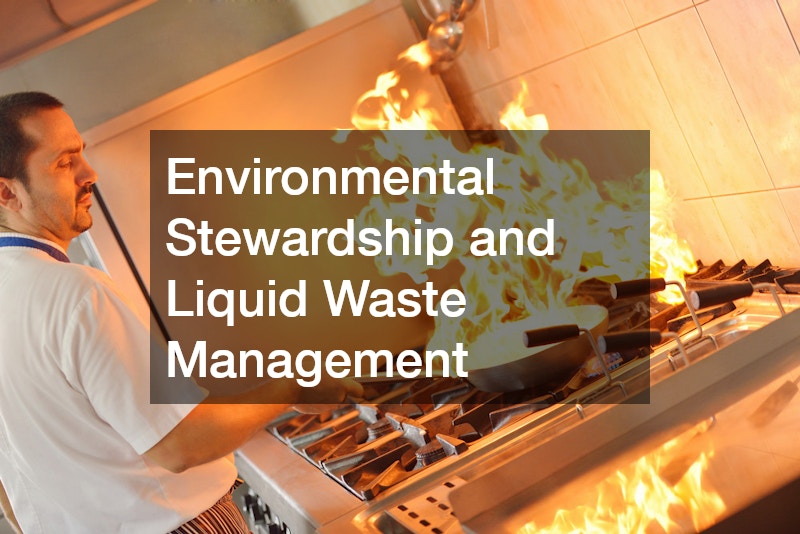
Proper liquid waste management is both an operational necessity and a strict legal requirement for modern restaurants. Municipal sewer systems are highly vulnerable to damage caused by fats, oils, and grease discharged from commercial kitchens. When warm liquid grease flows down kitchen sinks, it cools and solidifies inside sewer pipes, creating massive blockages that can cause wastewater backups into the restaurant or the surrounding neighborhood.
To capture grease before it reaches municipal infrastructure, commercial kitchens rely on interior grease traps or large underground interceptors. These plumbing devices slow incoming wastewater, allowing lighter grease to float to the top while heavy food solids settle at the bottom. However, these traps have finite storage capacity. Booking routine grease trap cleaning with a licensed liquid waste hauler prevents foul odors, eliminates drain slow-downs, and keeps the facility fully compliant with municipal discharge codes.
Solid waste and spent cooking oil from deep fryers present additional environmental and operational management challenges. Transporting hot oil to outdoor disposal bins poses physical burn hazards for kitchen workers, while leaking oil drums create slick surfaces, attract pests, and wash into storm drains during rainstorms.
To streamline oil handling and improve sustainability, kitchen operators should partner with a provider offering restaurant cooking oil recycling services. Specialized recycling companies supply clean, lockable exterior storage containers and set up automated collection schedules. Collected spent oil is transported to processing facilities where it is converted into clean-burning biodiesel or renewable fuel products. This sustainable approach eliminates hazardous outdoor spills, supports environmental goals, and can even yield financial rebates that offset facility operating costs.
Establishing standardized kitchen procedures for scraping food plates into trash bins before rinsing dishes further reduces the volume of solid waste entering grease interceptors, extending the operational intervals between necessary pump-out services. Properly storing liquid waste outdoors also protects staff from slip injuries and deters unwanted pests around loading docks. Keeping the waste area pavement clean ensures smooth health department reviews during routine facility walks.
Facility Sanitation Routines and Professional Deep Cleaning
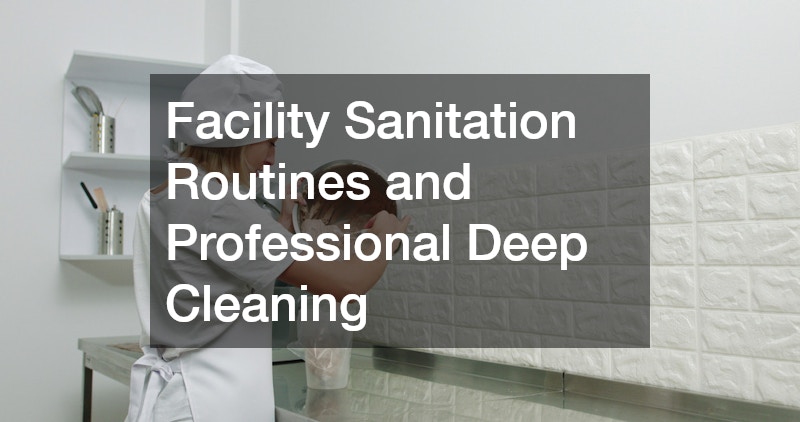
Maintaining impeccable hygiene standards across food preparation zones, cooking lines, and storage areas is critical for passing health inspections, preserving reputation, and ensuring customer safety. While daily kitchen routines focus on continuous wiping, sweeping, and sanitizing, standard employee closing tasks cannot tackle every corner of a busy facility.
Daily operational cleaning keeps surface contamination at bay. Line cooks wash prep tables, sanitize cutting boards, sweep floor mats, and mop line areas at the end of every shift. However, daily schedules rarely allow time for deep restoration work. Over months of heavy service, grease dust coats high ceiling pipes, carbonized food bakes onto oven exteriors, and grime builds up in floor grout lines and underneath stationary heavy equipment.
To bridge the gap between daily upkeep and long-term facility maintenance, managers should hire professional commercial cleaning services for periodic deep-cleaning operations. External cleaning specialists bring heavy-duty steam extractors, industrial degreasers, and specialized floor scrubbing equipment to sanitize hard-to-reach zones. These deep cleanings focus on high-risk areas, including walk-in cooler walls, ceiling air diffusers, drainage trenches, and spaces behind heavy cook line equipment.
Scheduling professional deep cleans quarterly or bi-annually keeps the kitchen looking brand new, boosts staff morale, reduces pest attraction, and ensures the facility consistently earns top marks on unannounced health department inspections. Dedicated deep cleaning also protects stainless steel surfaces from premature pitting and corrosion.
Maintaining detailed logs of both daily internal sanitation tasks and professional deep cleaning visits provides documentation for health inspectors, proving that the business operates with a proactive approach to sanitation and public safety. In addition, clean facilities create a safer working environment for employees by significantly reducing slip hazards on floor surfaces and preventing grease buildup on equipment handles and control knobs.
Creating a Sustainable Operational Schedule for Launch and Beyond
Bringing a commercial kitchen project from blueprint to reality requires balancing mechanical infrastructure, life safety compliance, waste management, and sanitation routines. No single component operates in isolation. An effective climate control setup supports refrigeration efficiency, proper fire suppression protects valuable cooking equipment, and dedicated waste management keeps the kitchen running smoothly without sudden plumbing emergencies or health code citations.
To maintain operational momentum after opening day, management should consolidate all service agreements, inspection dates, and preventative maintenance schedules into a centralized digital facility calendar. Assigning clear team roles for daily checklists while maintaining reliable vendor relationships ensures that equipment runs at peak efficiency for years to come. Conducting mock service shifts with kitchen teams prior to opening night allows staff to test equipment workflows, practice emergency procedures, and identify any hidden maintenance needs before real customers arrive.
By taking a systematic approach to equipment installation, safety compliance, and routine service protocols, restaurant owners can focus on what matters most: delivering exceptional culinary experiences and growing a successful, sustainable business. Maintaining disciplined operational standards builds team pride and fosters customer loyalty.