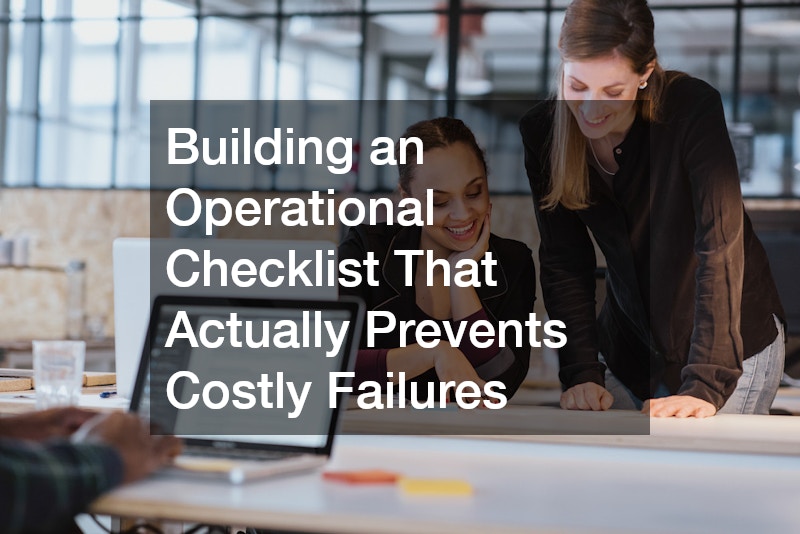

A single skipped inspection or a maintenance task that “can wait until next month” is often the difference between a minor repair and a five-figure emergency. Many homeowners and property owners build checklists that look thorough on paper but miss the systems most likely to fail without warning. The goal isn’t to check more boxes, it’s to check the right ones, on the right schedule, before small issues become expensive disasters. This guide walks through the categories that most often get overlooked and how to structure a checklist that actually holds up over time.
- Why Small Problems Become Expensive Failures
- Keep an Eye on Your Property’s Electrical Backbone
- Protect Glass, Windows, and Interior Comfort
- Stay Ahead of Fire Risks in Food Service Areas
- Manage Waste and Sensitive Documents Properly
- Maintain Boundaries and Curb Appeal
- Prepare for Relocations and Big Moves
- Safeguard and Document Valuable Assets
- Turn Your Checklist Into a Living Document
Why Small Problems Become Expensive Failures
Most costly operational failures don’t happen overnight. They start as a minor leak, a flickering light, a hairline crack, or a piece of equipment that makes an unusual noise—something small enough to get noticed and then dismissed as “not urgent right now.” Someone makes a mental note to deal with it later, and later never comes.
That delay is where the real damage compounds. A small roof leak left unaddressed for a few months can soak insulation, warp structural beams, and invite mold growth, turning a $200 patch job into a $15,000 remediation project. A flickering light or warm outlet, ignored long enough, can signal a wiring fault that eventually causes an electrical fire rather than a simple $50 fixture repair.
By the time the problem becomes visible or disruptive enough to demand attention, the repair bill has often multiplied five, ten, or even fifty times over compared to what early intervention would have cost. Downtime compounds the expense further: a failed piece of equipment doesn’t just need replacing, it stops production, delays customer orders, and sometimes triggers contractual penalties.
The pattern holds across nearly every category of operational risk—mechanical, structural, electrical, or procedural. Small deviations are cheap and easy to correct in isolation, but they rarely stay isolated once ignored.
A good checklist works because it forces regular attention on things that are easy to ignore when everyone is focused on the next deadline. A frayed belt, a slightly-off inventory count, or a permit that’s 30 days from expiring rarely feels urgent on its own. Left unchecked, though, that same small issue compounds until it triggers a shutdown, a safety incident, or a client walking away.
The financial math is what makes this worth taking seriously. Industry studies on equipment failure consistently show that reactive repairs cost three to five times more than the preventive fix would have, once you factor in emergency labor, expedited parts, and lost production time. A $200 sensor replacement caught during a routine check can prevent a $6,000 line stoppage six weeks later.
A checklist shifts your role from reactive to proactive by turning inspection into a scheduled habit rather than something that only happens after a complaint or a breakdown. It catches wear and tear while it’s still cheap to fix — a loose bolt before it becomes a failed component, a missed invoice before it becomes a cash flow gap, a training lapse before it becomes a compliance violation. Because the check happens on a fixed cadence, problems get flagged at their smallest, least expensive stage.
This is also where the real payoff shows up: the cost of prevention is almost always small and predictable, while the cost of failure is large and unpredictable. A five-minute daily check has a known cost in time. An unplanned outage, a safety citation, or a lost customer does not — the downstream costs ripple into overtime, reputation damage, and rework that’s hard to estimate in advance. The sections below break down the specific areas where this approach pays off the most, from equipment and inventory to compliance and customer-facing processes.
Keep an Eye on Your Property’s Electrical Backbone
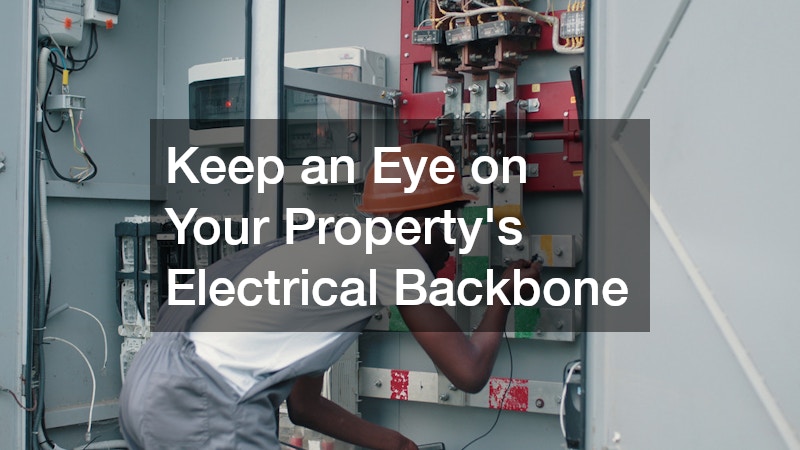
Electrical issues are one of the most dangerous items to neglect because they can smolder unnoticed for months before causing a fire or a total system failure. Warning signs like warm outlets, tripped breakers, or dimming lights when appliances kick on are easy to dismiss but should never be ignored. If your property has aging wiring, a panel that seems undersized for current usage, or recurring issues that a handyman can’t fully resolve, it’s time to bring in a licensed industrial electrician for a full assessment.
Commercial and multi-unit properties in particular carry higher electrical loads than most owners realize, which makes periodic inspections even more important. A qualified electrician can identify overloaded circuits, outdated breaker panels, and grounding problems before they turn into insurance claims.
- Schedule a full electrical inspection every 3 to 5 years, sooner for older buildings
- Note any outlets or switches that feel warm to the touch
- Keep a record of breaker trips and what triggered them
- Never assume a temporary fix is a permanent solution
Protect Glass, Windows, and Interior Comfort

Windows and glass surfaces take a beating from weather, temperature swings, and daily wear, yet they’re rarely part of a standard maintenance checklist. Cracked seals, foggy double panes, and compromised glazing don’t just look bad, they drive up energy costs and create safety hazards. Working with commercial glass companies for periodic assessments can catch seal failures and structural weaknesses long before a full pane needs replacing.
Beyond structural integrity, energy efficiency is another area worth checking regularly. Installing commercial window tinting can reduce heat gain, cut glare, and lower cooling costs, but the film itself needs periodic inspection for peeling, bubbling, or discoloration. A checklist item as simple as a visual glass and film inspection twice a year can prevent both comfort complaints and unexpected replacement costs.
- Check for condensation between panes, a sign of seal failure
- Inspect window film edges for lifting or bubbling
- Look for cracks near frames after storms or temperature extremes
- Test that all windows still open, close, and lock properly
Stay Ahead of Fire Risks in Food Service Areas
If your property includes any kind of food preparation space, grease buildup in exhaust systems is one of the most overlooked fire hazards around. Grease accumulates quietly in hoods, ducts, and filters, and it only takes a small spark to turn that buildup into a serious fire. Regular commercial kitchen hood cleaning isn’t just a compliance checkbox, it’s one of the single most effective ways to prevent a catastrophic and expensive fire event.
Insurance policies and local fire codes often require documented cleaning schedules, and skipping them can void coverage exactly when you need it most. A reliable checklist should note the last cleaning date, the next scheduled service, and any visible grease accumulation noticed between professional visits.
- Inspect hoods and filters monthly for visible grease buildup
- Keep documentation of every professional cleaning for insurance purposes
- Watch for unusual smells or smoke during cooking, a sign of ventilation issues
- Follow local fire code requirements for cleaning frequency
Manage Waste and Sensitive Documents Properly
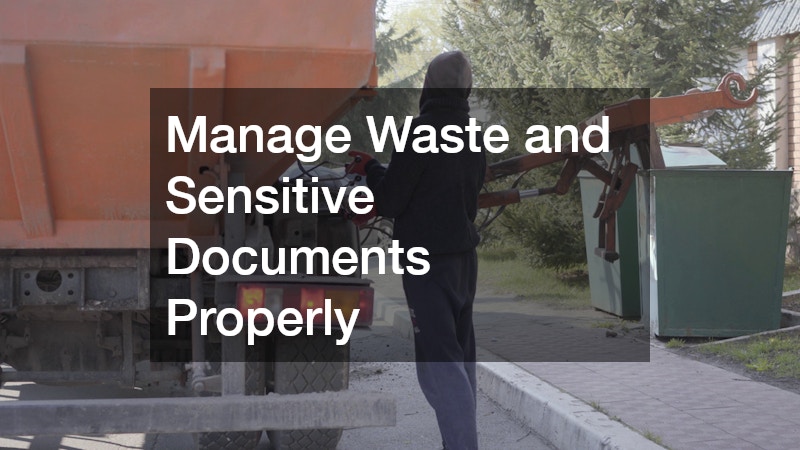
Clutter and improper waste handling create both safety hazards and liability risks that many owners underestimate. Large renovation projects, seasonal cleanouts, or ongoing debris from daily operations all need a clear disposal plan, which is why arranging dumpster rentals ahead of time keeps waste from piling up in walkways, storage areas, or parking lots. Overflowing waste isn’t just an eyesore, it can attract pests and create fire and trip hazards.
Just as important is how you handle sensitive paperwork. Old financial records, tenant applications, and outdated business documents can become a serious liability if they’re thrown out carelessly rather than destroyed properly. Working with reputable paper shredding companies ensures sensitive information is disposed of securely, protecting you from identity theft and data privacy violations.
- Schedule dumpster pickup before, not during, a major cleanout or renovation
- Separate recyclable materials from general waste when possible
- Shred any document containing financial, medical, or personal identification details
- Keep a certificate of destruction on file when using a shredding service
Maintain Boundaries and Curb Appeal
The exterior of a property tells visitors, tenants, or buyers a lot about how well the rest of it is maintained. Fencing that’s leaning, rusted, or missing sections isn’t just unattractive, it’s a liability risk that can lead to unauthorized access or injury claims. Bringing in commercial fence companies for periodic repairs keeps boundaries secure and reduces the chance of a small structural issue becoming a full replacement project.
Landscaping deserves the same level of attention, since overgrown shrubs, dead trees, and poor drainage can hide bigger structural problems or create hazards of their own. Consistent commercial landscape maintenance keeps walkways clear, drainage functioning properly, and the property looking cared for, which also tends to lower insurance risk assessments.
- Inspect fence posts and gates for rot, rust, or instability each season
- Trim trees and shrubs away from structures and power lines
- Check that drainage areas are clear of leaves and debris
- Address dead or dying trees before they become a falling hazard
Prepare for Relocations and Big Moves

Whether you’re relocating a business, downsizing a property, or reorganizing office space, a move introduces its own set of risks if it isn’t planned carefully. Heavy equipment, fragile inventory, and tight timelines all increase the chance of damage or injury during transport. Hiring experienced commercial movers rather than attempting a large-scale move independently reduces the risk of dropped equipment, damaged flooring, and workplace injuries.
A checklist for any move should include a full inventory of items being relocated, a walkthrough of both the old and new space, and a clear plan for handling anything fragile or high-value. Skipping this planning step is one of the most common reasons moves run over budget and schedule.
- Create a written inventory before the move begins
- Photograph high-value items and existing damage beforehand
- Confirm insurance coverage for items in transit
- Walk through the new space to identify access issues in advance
Safeguard and Document Valuable Assets
Every property has items whose value isn’t always obvious at a glance, and these are often the things most likely to be lost, mishandled, or underinsured. Collections such as coins, jewelry, or inherited items should be properly documented rather than left as an afterthought during an inventory. Getting a professional coin appraisal, for example, ensures you have an accurate record of value for insurance purposes, estate planning, or eventual resale.
This same principle applies to any valuable item on your property that doesn’t have an obvious replacement cost. Without documentation, you risk being underinsured or unable to prove value in the event of theft, fire, or a natural disaster. A simple checklist item to appraise and photograph valuables annually can save significant frustration later.
- Appraise valuable collections every few years to keep values current
- Store appraisal documents separately from the physical items
- Photograph items alongside their appraisal paperwork
- Update your insurance policy whenever appraised values change significantly
Turn Your Checklist Into a Living Document
A checklist that never changes eventually stops being useful, because properties age, regulations shift, and new risks emerge over time. Review your checklist at least once a year, and treat that review as a standing calendar event rather than something you’ll “get to eventually.”
Build the review around real data, not guesswork. Pull maintenance logs, incident reports, and near-miss notes from the past twelve months, and ask which failures were preventable and which checklist items were skipped or ignored. If a boiler failed in February or a fire extinguisher inspection lapsed for three months, that’s a signal the current process has a gap.
Adjust the checklist based on what actually caused problems, not on hypothetical risks. Add new line items for equipment that’s aging past its expected service life, remove steps that no longer apply to your operation, and tighten frequency on anything that failed more than once. This keeps the document tied to reality instead of becoming a static artifact nobody trusts.
The most effective checklists are specific, dated, and assigned to someone accountable for follow-through. Vague reminders like “check the property” rarely get acted on the way concrete tasks with deadlines do.
Compare “check the property” to “inspect roof drainage and clear gutters by October 15 — assigned to facilities manager.” The second version tells you exactly what to look for, when it’s due, and who owns the outcome if it slips. That specificity is what separates a checklist people actually complete from one that quietly gathers dust.
Good checklist items typically include three elements: a measurable action (not “review budget” but “confirm Q3 spend is within 5% of forecast”), a hard deadline rather than a vague timeframe like “soon” or “this quarter,” and a named individual — not a department or team — who signs off when it’s done. When ownership is diffuse, tasks fall through the cracks because everyone assumes someone else is handling it.
It also helps to build in a simple escalation path: if the task isn’t marked complete within 48 hours of its deadline, who gets notified next? That small addition turns a static list into a system with built-in accountability.
- Set calendar reminders tied to specific tasks, not general categories (e.g., “Replace HVAC filter” instead of “Maintenance”)
- Assign responsibility for each item to a specific person or vendor, including a backup contact in case the primary is unavailable
- Note the expected completion time for each task so reminders can be scheduled with enough lead time
- Review and update the checklist annually, or immediately after any incident, near-miss, or process change
- Log why an item was added or modified, so future reviewers understand the reasoning behind it
- Keep records of completed tasks in one accessible, centralized location, such as a shared drive or dedicated software tool
- Include timestamps and sign-offs in your records to create an audit trail for accountability
A checklist only prevents costly failures when it’s specific, consistently followed, and updated as your property’s needs change. Start by identifying the systems on your own property that have been neglected the longest, then build out a realistic schedule for addressing each one. Bringing in the right professionals for inspections and maintenance isn’t an added expense, it’s what keeps small issues from becoming the expensive failures this whole process is designed to prevent.