


Running a one-weekend pop-up shop or event feels like a small, low-stakes way to test a business idea, but the details you manage over those two or three days quietly reveal whether you are ready to grow. Crowd flow, waste management, guest comfort, and vendor coordination all behave differently at a larger scale, and the mistakes that seem minor at a 200-person event can become serious liabilities at a 2,000-person one. Paying attention now, while the stakes are low, gives you a clear-eyed view of what needs to change before you commit to a bigger footprint. This article walks through the specific signals a pop-up event sends about your operational readiness to scale.
Estimating Crowd Size and Foot Traffic Patterns
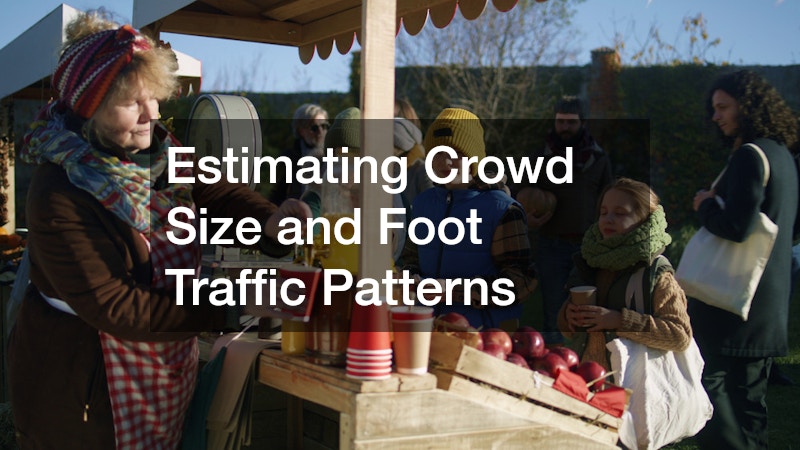
Before you can plan facilities, staffing, or layout, you need a realistic estimate of how many people will show up and when. Many first-time pop-up organizers guess based on social media interest or ticket sales alone, which tends to undercount walk-ins and overestimate no-shows. The gap between projected and actual attendance is one of the first indicators of whether your planning process is mature enough to handle a larger event. This determines plans for crowd flow, setting up waiting and rest areas, porta potty bathroom rentals, first aid, security, and many other line items.
Foot traffic also moves in waves rather than a steady stream, and understanding those peaks matters as much as the total headcount. A lunch rush, an opening-hour surge, or a closing-time crowd can each strain your setup differently even if the daily average looks manageable on paper.
- Track hourly attendance if possible, not just daily totals
- Compare your estimate to actual turnout afterward and note the percentage variance
- Ask nearby vendors or venues about historical traffic patterns for similar events
- Build in a buffer of 15 to 20 percent above your best guess for planning purposes
Planning Waste Management and Site Cleanliness
A pop-up event generates trash fast, and how you handle it says a lot about whether you are thinking beyond just the day of the event. Overflowing bins, scattered packaging, and greasy food waste left in the sun do more than look bad; they create real cleanup costs and can jeopardize your relationship with a venue or city permit office. If your current setup relies on a few trash cans and a volunteer with a trash bag, that approach will not survive a larger crowd.
This is where many organizers discover the value of arranging a dumpster rental ahead of time rather than scrambling for extra bins mid-event. A properly sized dumpster rental keeps waste contained in one visible, manageable spot, which also makes end-of-day teardown faster and reduces the labor needed to haul trash offsite. Scaling up an event without scaling up your waste plan is one of the most common and most avoidable failures organizers run into.
- Estimate waste volume based on expected attendance and type of food or vendors present
- Place waste stations at natural gathering points, not just the perimeter
- Confirm pickup or swap schedules if the event runs multiple days
- Factor disposal costs into your event budget from the start, not as an afterthought
Providing Adequate Restroom Access for Guests
Restroom access is one of the fastest ways guests judge whether an event feels organized or chaotic. If your pop-up is on a site without adequate plumbing, or if your existing facilities are only built for a fraction of your expected crowd, long lines will form quickly and guest satisfaction will drop just as fast. This is a detail that seems minor during planning but becomes glaringly obvious the moment the doors open.
Bringing in porta potty rentals for a weekend event is often the simplest way to close this gap, especially at outdoor locations or venues with limited indoor facilities. The right number of units depends on attendance, event duration, and whether alcohol is served, since drink consumption significantly increases restroom demand. Getting this number wrong in either direction either wastes money on unused units or creates the exact bottleneck you were trying to avoid.
- Plan for roughly one unit per 50 to 75 guests for events lasting several hours
- Add extra units if alcohol will be served
- Include at least one accessible unit regardless of expected crowd size
- Place units in visible, well-lit, and easily reachable locations
Coordinating Vendor Setup and Breakdown Timelines
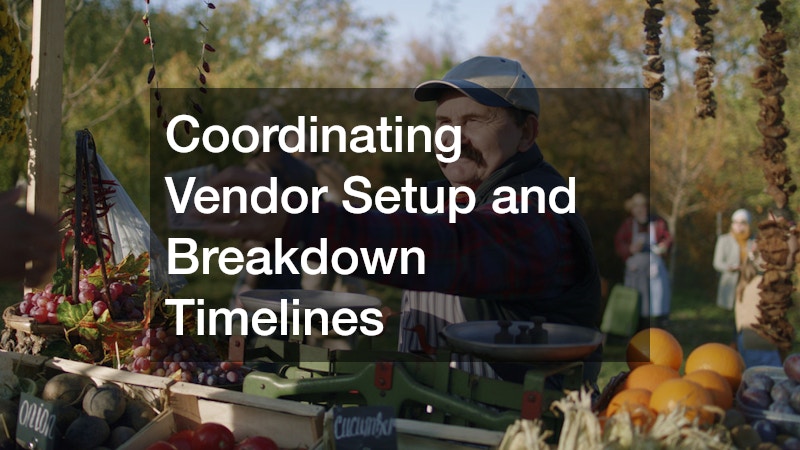
A single vendor booth is easy to manage, but coordinating a dozen or more vendors on tight timelines exposes gaps in your logistics quickly. Late arrivals, blocked loading zones, and confusion over assigned spaces are common at smaller events, but they multiply in both frequency and consequence as vendor count grows. How smoothly your vendors set up and break down is a direct preview of how a larger, multi-day event would run.
Clear written instructions sent in advance, rather than verbal reminders on the day, tend to prevent most of these issues. Vendors who know exactly where to park, when to arrive, and how much space they have spend less time asking questions and more time preparing their booths.
- Send a written setup schedule at least one week before the event
- Assign numbered spaces rather than general zones to avoid disputes
- Designate a single point of contact for vendor questions on event day
- Walk the site beforehand to confirm space measurements match your vendor agreements
Managing Staffing and Volunteer Coverage
Pop-up events often run on a lean crew of staff and volunteers, which works fine when the event is small enough that everyone can informally cover for each other. As attendance grows, that informal approach breaks down, and gaps in coverage become obvious at ticket tables, information booths, and cleanup stations. Noticing where your team felt stretched thin during a weekend event is a strong signal of where you would need dedicated hires for something larger.
It also helps to track which roles caused the most confusion or delay, since those are usually the first positions worth formalizing. A volunteer juggling three tasks at once during a small event will not be able to juggle nine tasks during a large one.
- Debrief with your team immediately after the event while details are fresh
- Note any roles that were unstaffed or understaffed during peak hours
- Track how quickly issues were resolved and by whom
- Identify which tasks could be automated or simplified before your next event
A weekend pop-up is a low-risk way to stress-test the systems that a bigger event or permanent expansion would demand at a much higher cost of failure. Look closely at your crowd estimates, waste handling, restroom access, vendor coordination, and staffing gaps, since each one points to a specific fix you can make before your next event. Address the weak points now, while the stakes are manageable, and your next pop-up will tell you even more about whether you are truly ready to scale.